This summer the desert plants on our property have been growing like crazy – I swear that you could watch them grow if you just sat down for long enough. The desert is opportunistic in that way, when there is water, the switch is turned on and everything goes for it. When there isn’t water, the switch is off and everything goes dormant and is questionably dead looking.
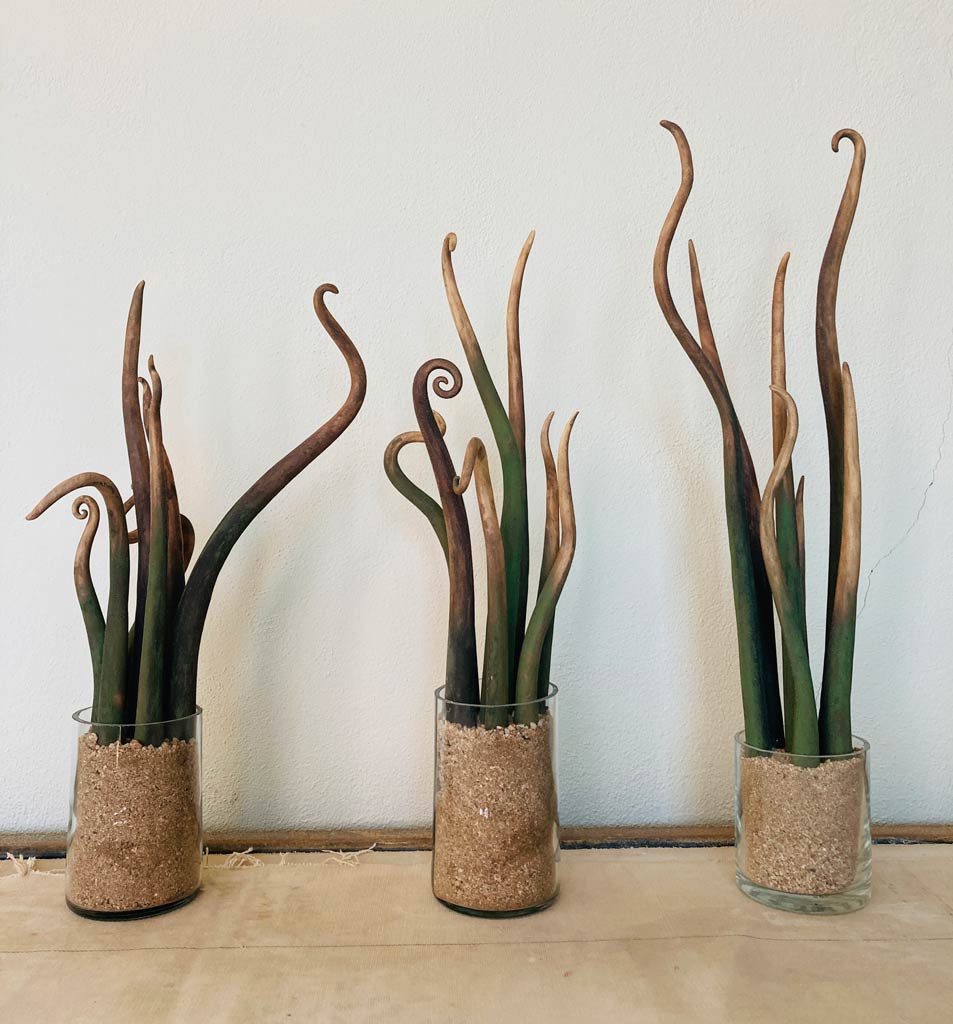
I have always made wiggly spiral forms in my work from the very beginning, so sometimes it feels so comfortable to go back to these shapes. These shapes are everywhere in nature from seashells to water flow to wood grain. Here I’m seeing the tendrils of vines creeping across the desert, the aloe leaves growing and lizard tails whipping. It’s so fun to take these newer inspirations and create older familiar forms in a new way and new combination. I’m not sure if I’ll make more of these or if they will evolve into something else, but I’m enjoying having them in the studio and watching them talk to each other.
A holdfast in biology is a root like structure that anchors an aquatic organism, like seaweed or kelp to a substrate, usually a rock or boulder, creating a literal anchor to keep the plant from being swept away in the currents.
Plankton in biology are defined as marine drifters. So anything that isn’t able to actively propel itself in a direction is considered a plankton, sometimes that might be at one stage of an organisms life, like a larval state.
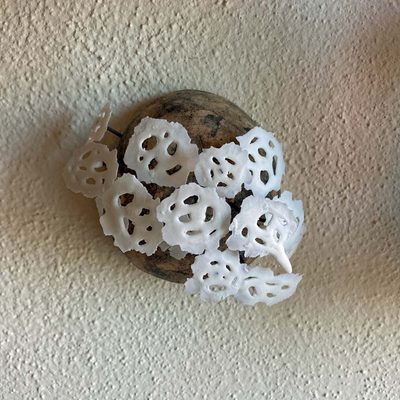
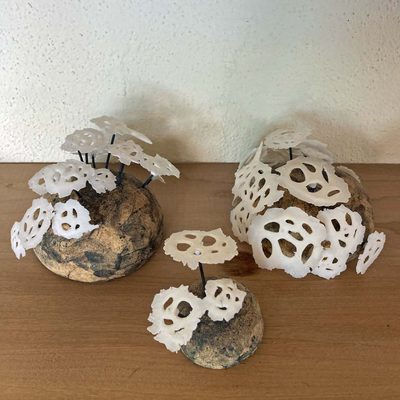
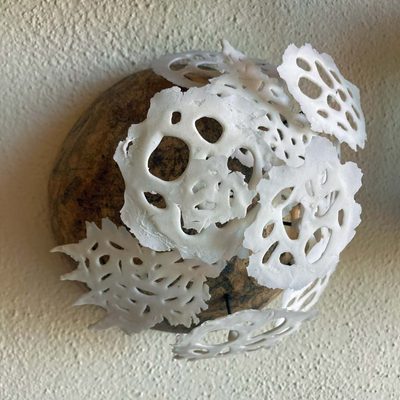
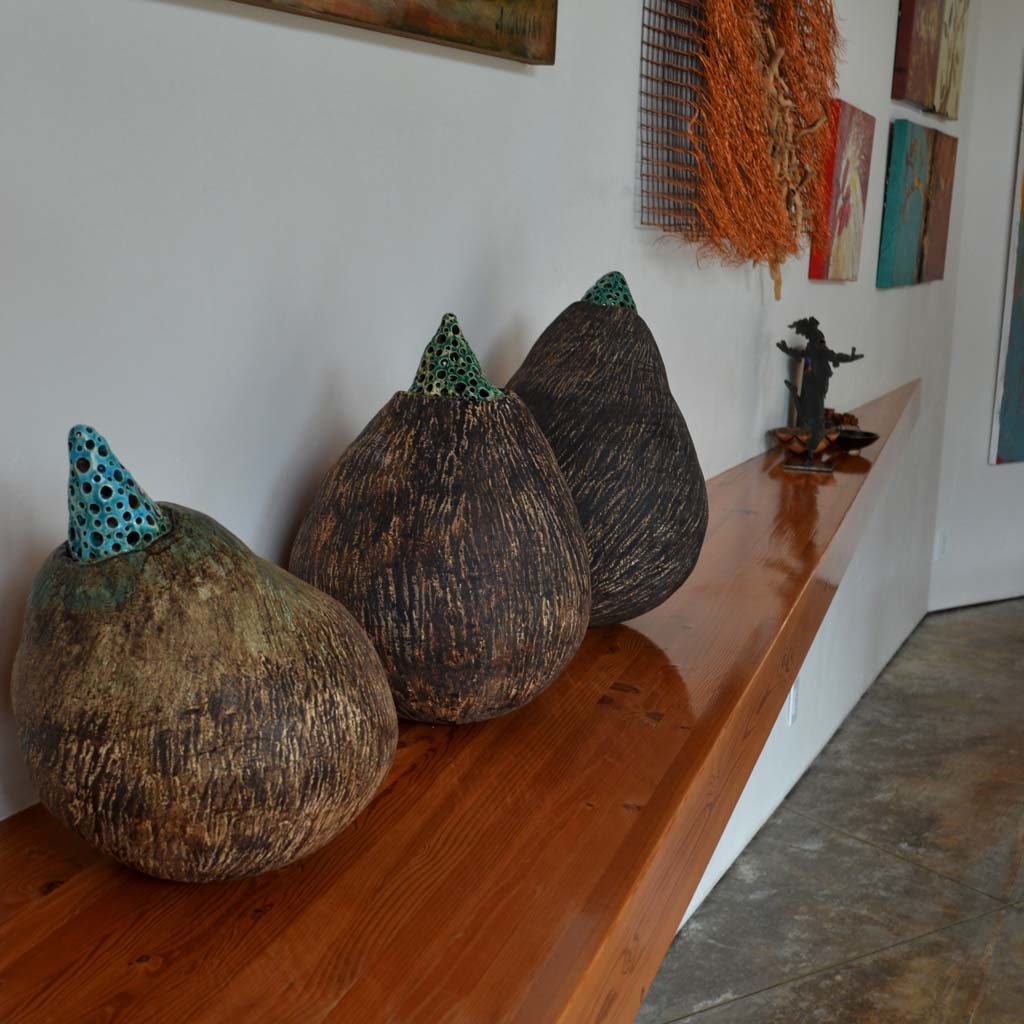
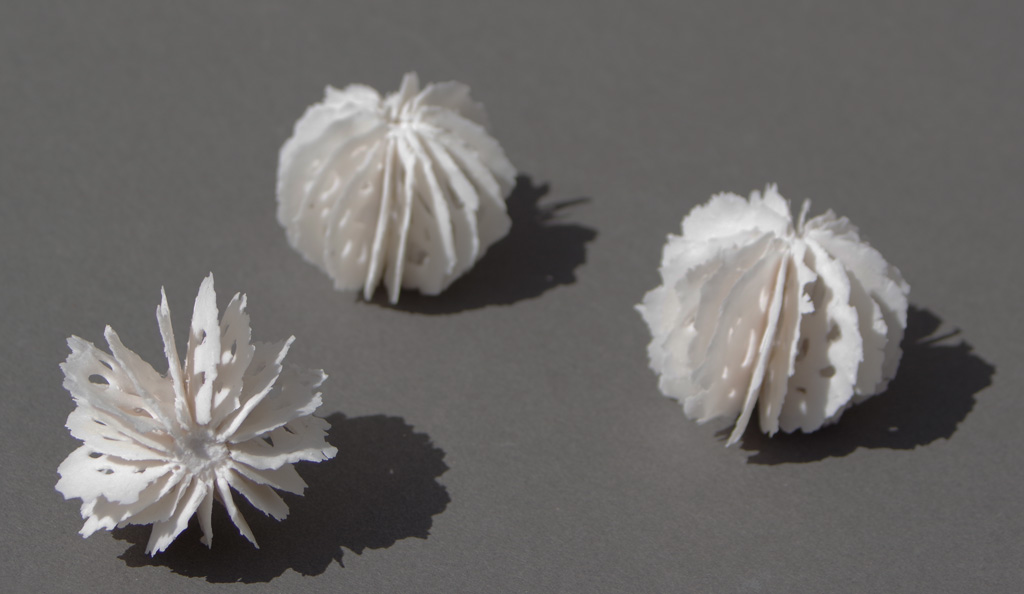
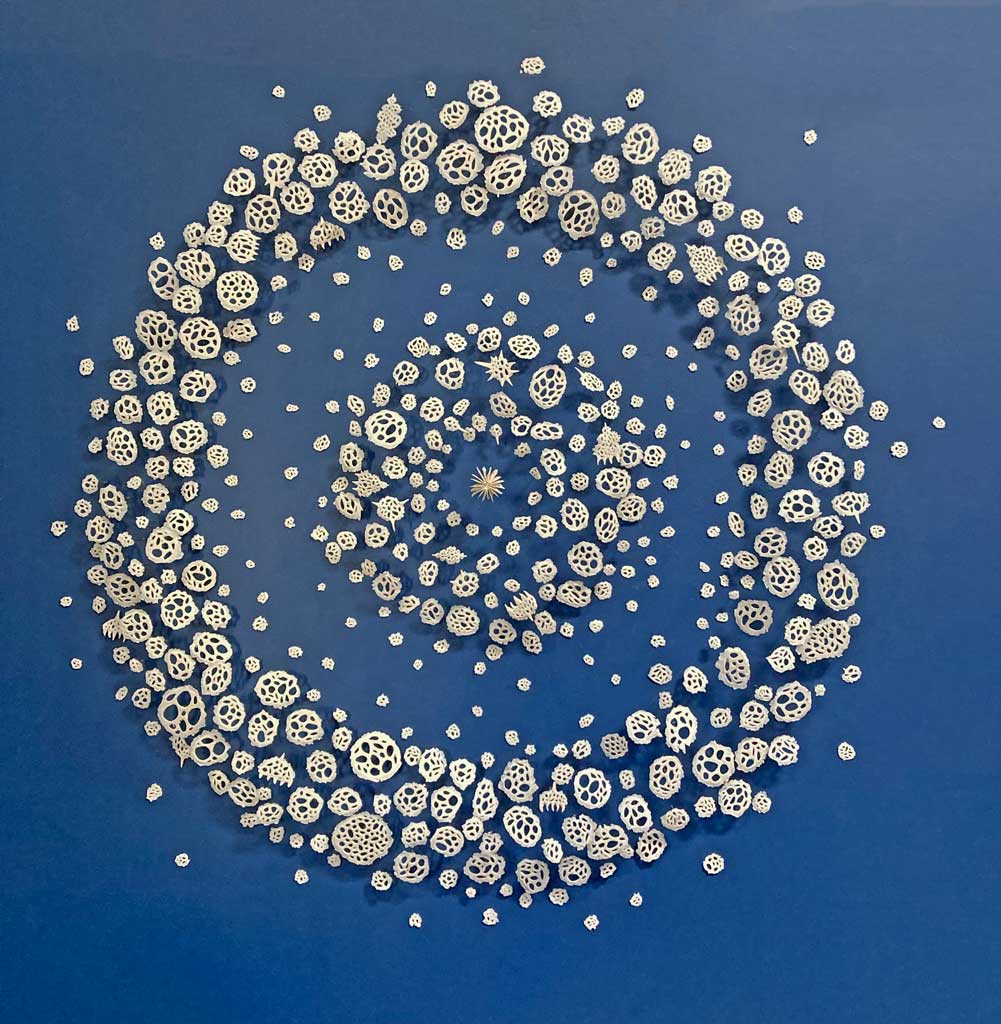
In these new works, I love conceptually contrasting these ideas with my porcelain plankton inspired pieces delicately attached to a stoneware based keeping them securely anchored down. These pieces can be displayed on a flat surface or attached to to a wall. Come visit the studio to see them in person and pick one (or more!) out for your home.
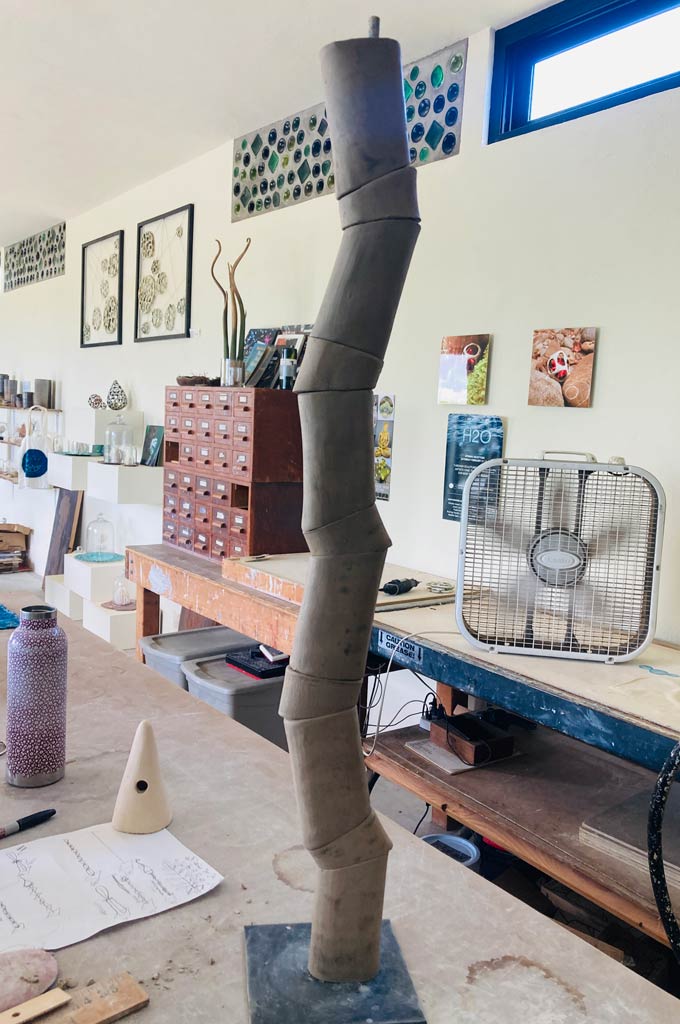
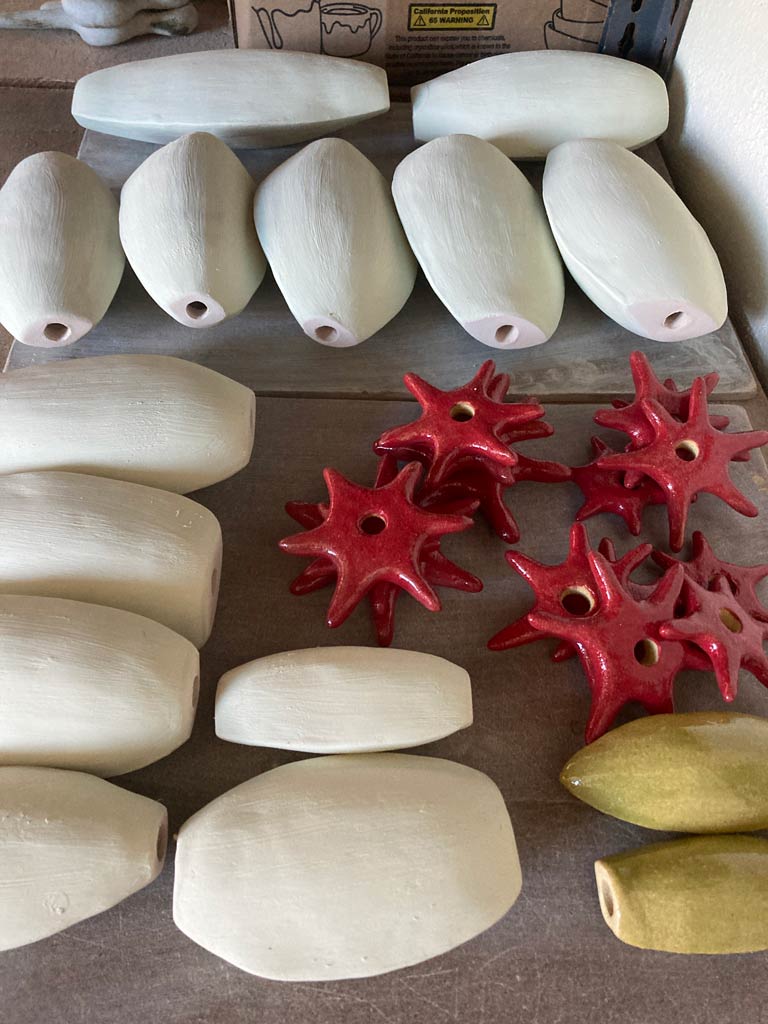
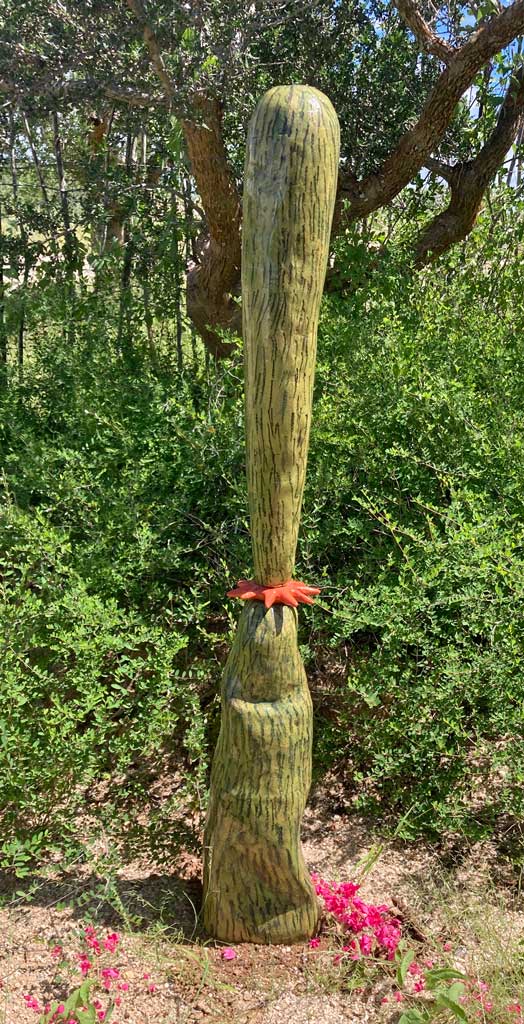
This summer, I’ve been busy making parts for a bunch of new stacked sculptures that will land in the garden very soon! It’s hard to imagine what these pieces will really look like in the end when they’re all assembled and installed but the process is part of the fun.
I stack the individual parts as I build them in the studio to get an idea of how they will interact with each other. All of the parts are fired, glazed and fired again. Then they get assembled on their steel bases with rods cut to the appropriate height to support the work. The fun part is finding where they get to live in the garden, making you question sometimes if that’s a real plant or a sculpture.
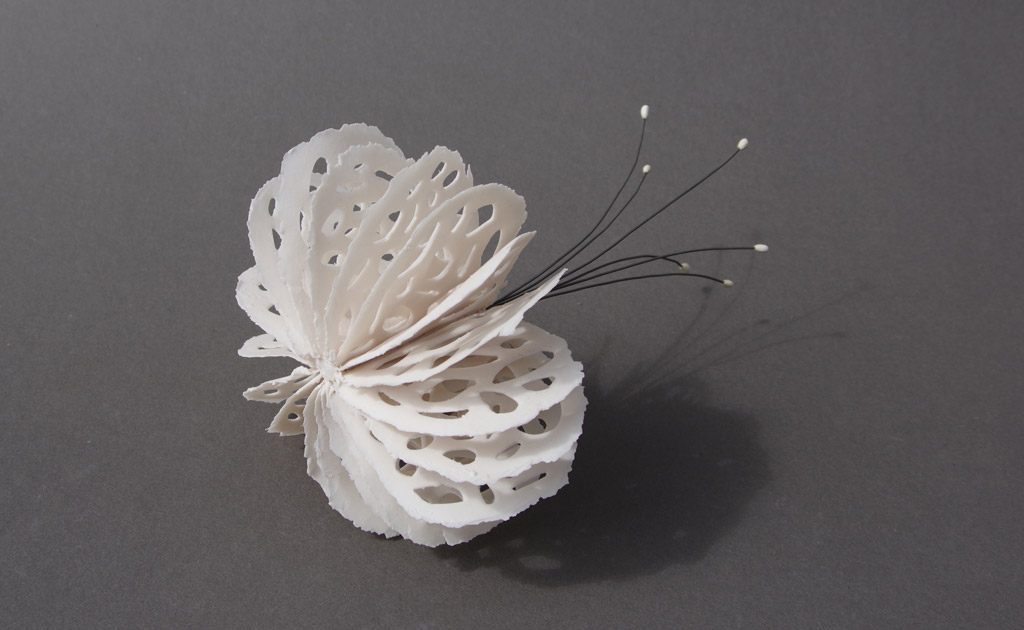
All of these works are inspired by the plants, the seed pods, the flowers and the amazing natural world that surrounds my studio – I’m just making my own take on all these forms, textures and colors. Come see these pieces in person or pick one out to transplant to your own garden space!
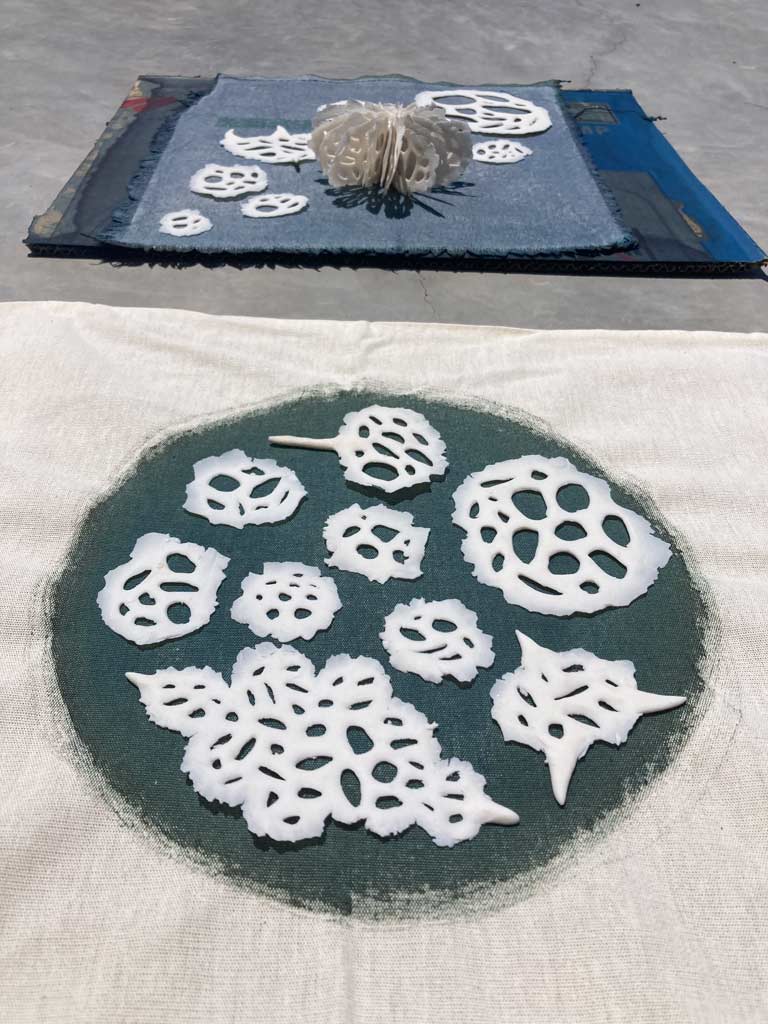
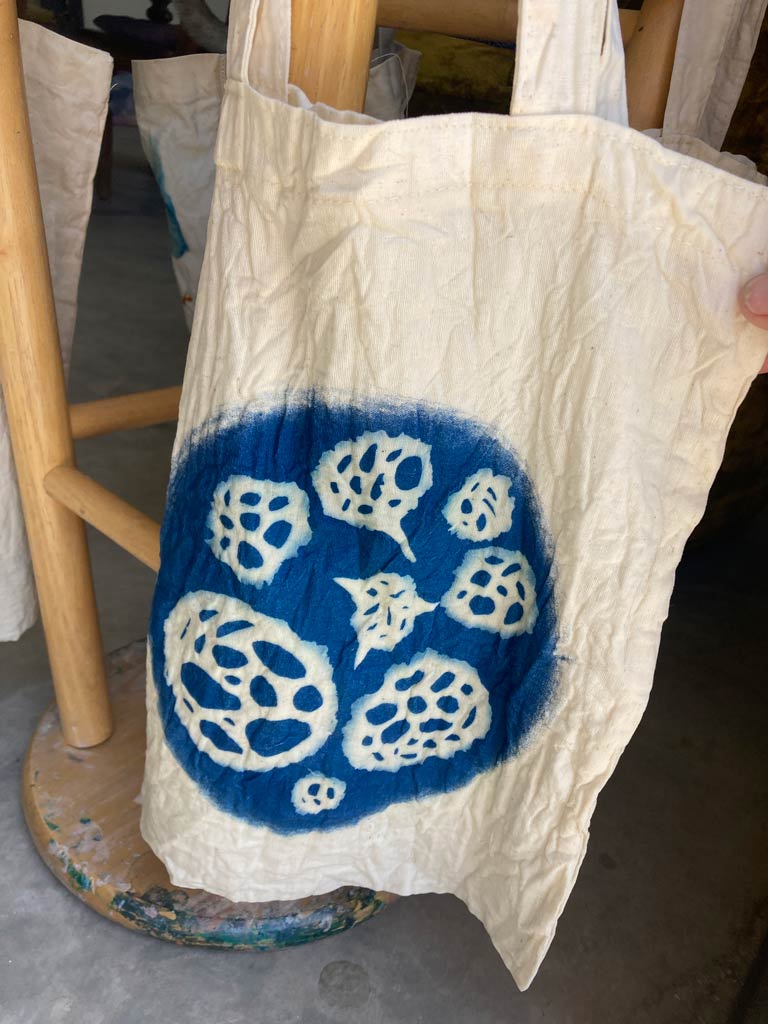
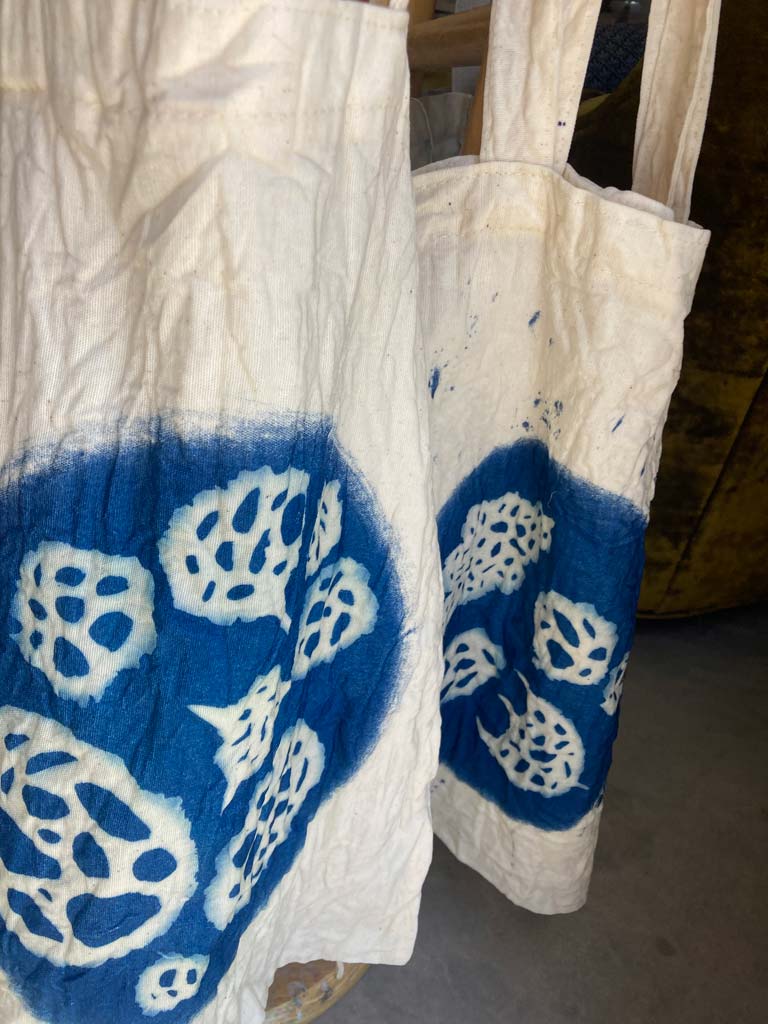
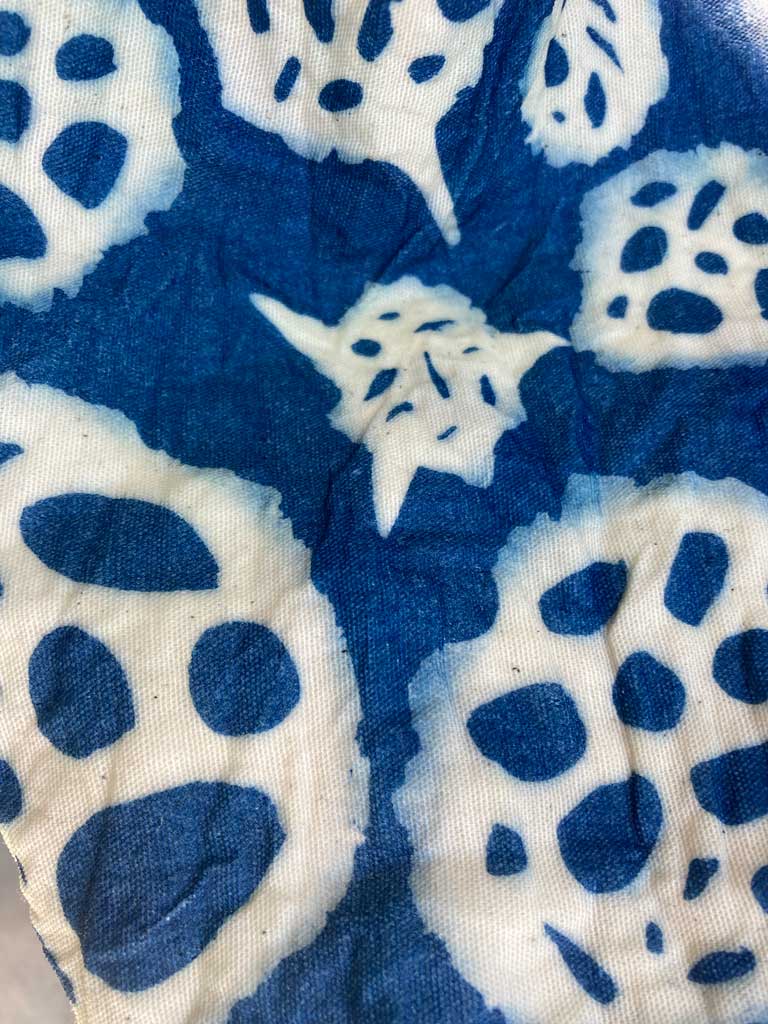
I’ve been experimenting with the process of cyanotype combined with my porcelain plankton shaped pieces. The silhouette of the porcelain pieces creates an ethereal water-like quality and with the variations of exposure time and base material, there are a lot of variations to play with. It’s also got a ton of potential for large scale installation applications.
But, I’ve started off simple creating circular designs on tote bags – I’ve only made a few so far but I already love them! I’m debating between adding in an Earth Art Studio logo to the design and/or creating ceramic tags to hang off the straps, let me know if you have an opinion on this! Once I dial it in, I’m hoping to have these up for sale in the online shop soon and also available at the studio. Here’s a few pics of the first batch in progress.
There is something that happens when you buy directly from an artist. You don’t just take home an object — you take home a story, a relationship, and a small piece of someone’s life work. I’ve worked with clients over the past 20+ years to place existing works or create custom works for their homes.
During the pandemic when everyone was locked up and staring at their walls, I had so many clients reach out to thank me for the art that graced their spaces. They shared that the work brought them joy during a dark time and gave them solace as we all moved towards an uncertain future.
When you buy from any independent artist, maker, or local business, you keep a creative practice alive and says that you value the human hand over the machine. So if you’re looking for a unique piece that will keep sharing its story, reach out to get the conversation started – consultations are free!
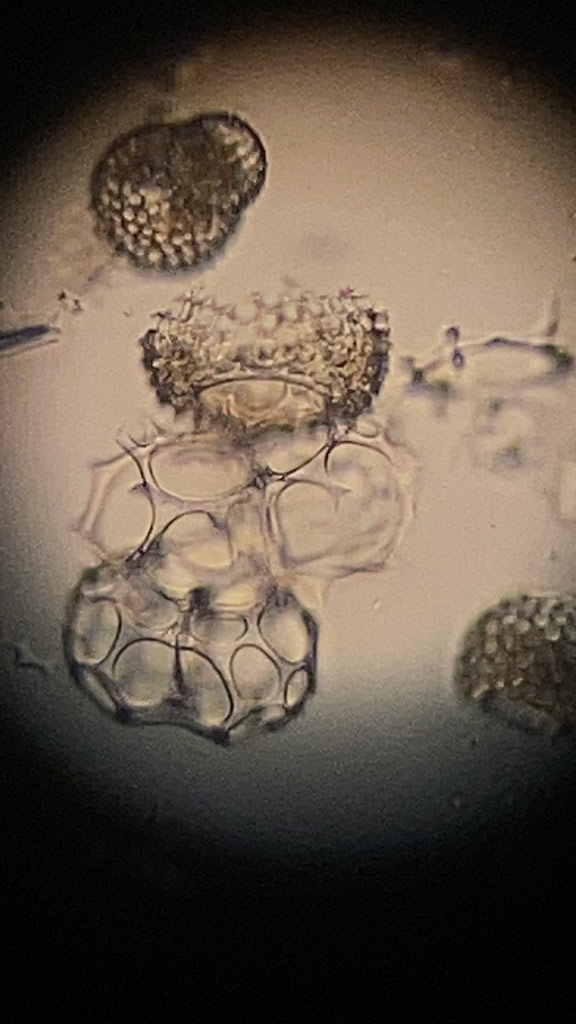
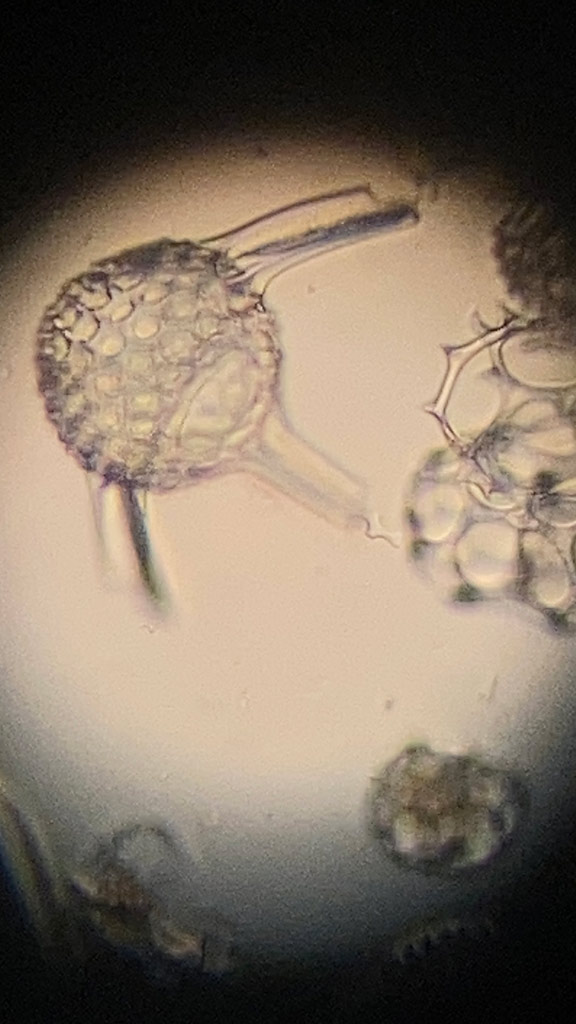
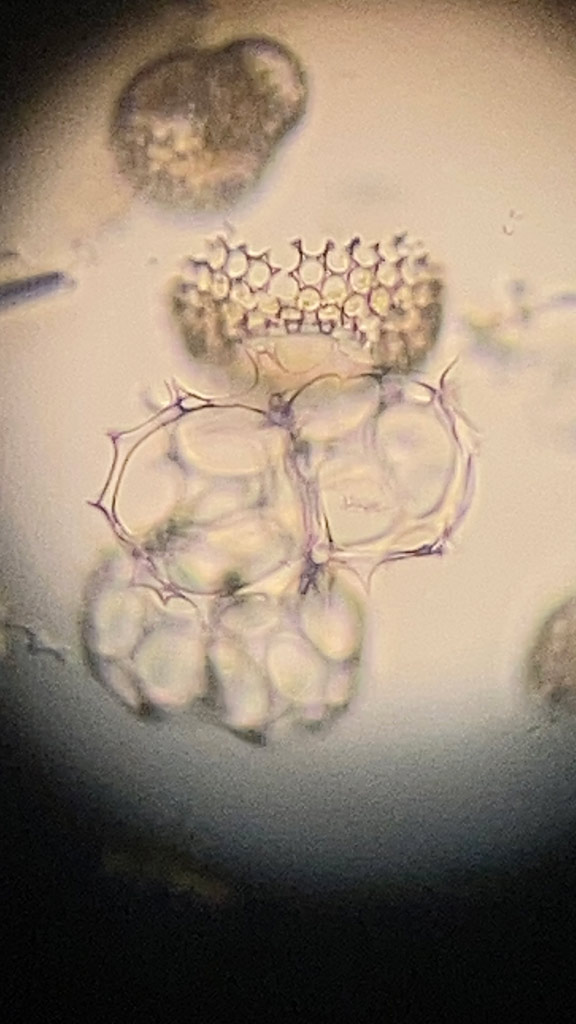
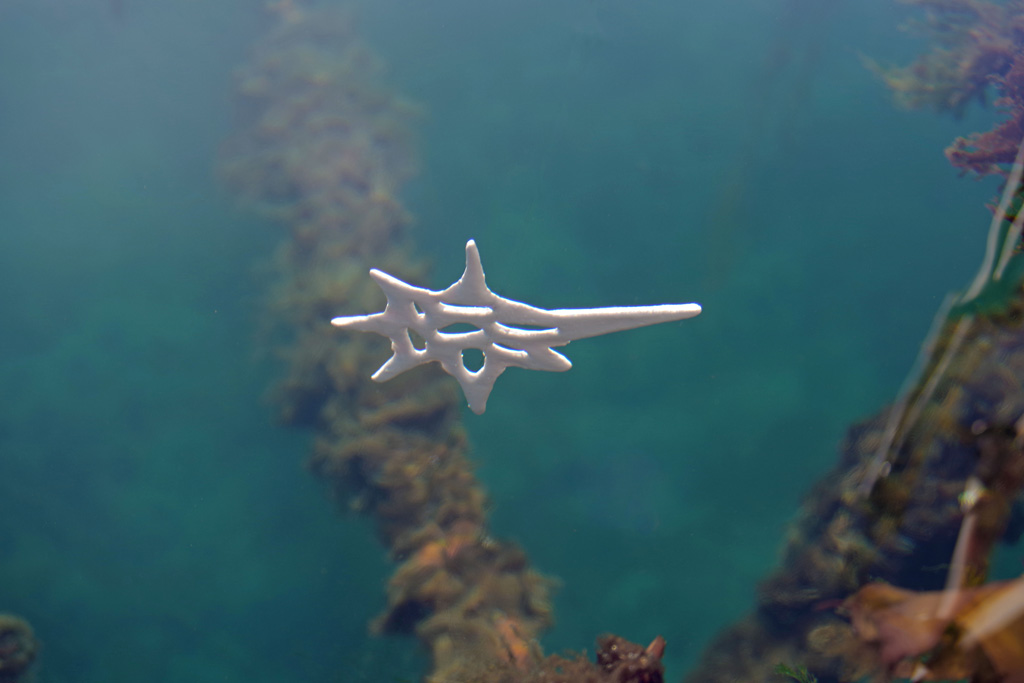
For almost a decade, I have been inspired by microscopic plankton, how can this tiny little organism be the source of so much inspiration for my work you ask. Let’s start with the obvious. They. Are. Gorgeous. Check out these images I took looking at a slide through my microscope…
The particular type of plankton I’m looking at are radiolarians, they are single cell organisms, most are tiny but some are visible to the naked eye. They have intricate skeletal structures formed by silica which is what you’re seeing in the microscopic images. Imagine being a single cell and yet so complex in structure?! They fall into the category of being both phytoplankton and zooplankton, sometimes jokingly referred to as vegimals. Their fossil record dates back over 500 million years and have been found even in the Himalayas. Their forms have inspired me to create my versions of their skeletal structures using porcelain clay.
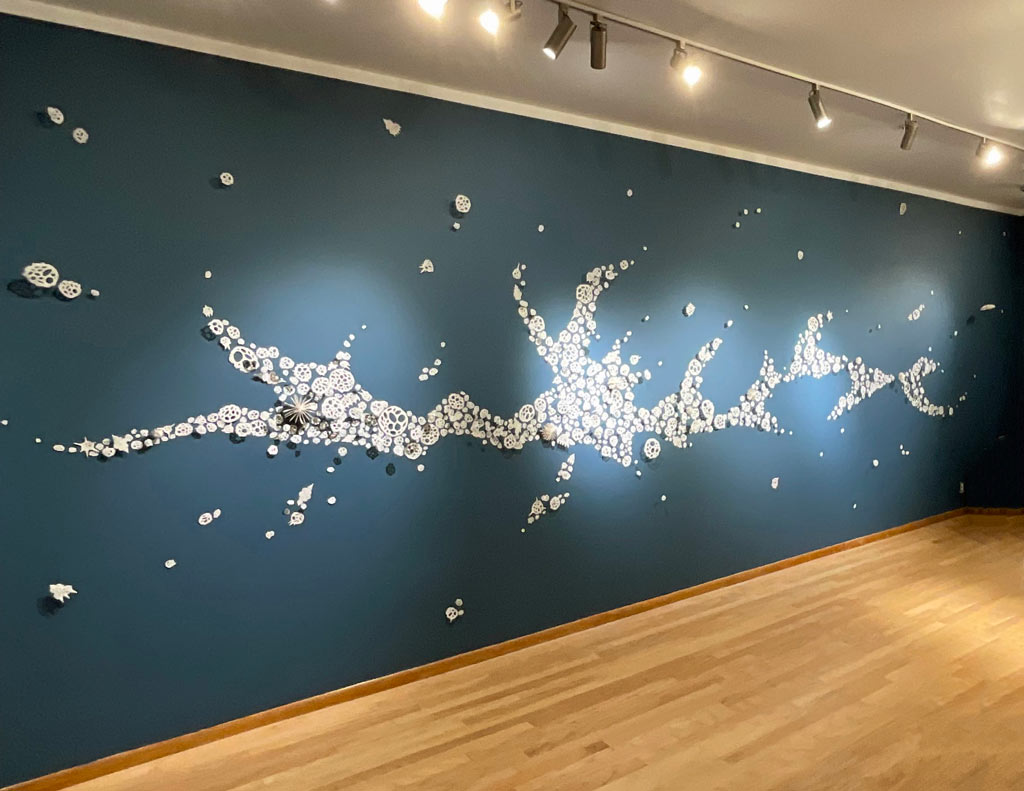
Plankton are marine drifters andrange in size from microscopic to large jellyfish, they are in all waters across the planet. Some are bioluminescent, some are only considered plankton in their larval stage and then change taxonomy and they can also cause harmful algae blooms(HABs), commonly referred to as a red tide. Algae blooms are often so large that they can be spotted by satellites in space. The color of the bloom depends on the type of plankton that is blooming and the form is based on the tides, currents and wind. I created this installation based on the shape of an algae bloom off the coast of Antartica that was captured by a NASA satellite image.
Plankton Bloom in McMurdo Sound | ceramic + kanthal wire | 360″ X 120″ X 4″ | Eloise Pickard Smith Gallery USCS Santa Cruz
The fact that we cannot survive on this planet without plankton and that we generally never think about them is mind-blowing to me. They are the base of the entire marine food-chain, produce more oxygen than all of the trees and trap carbon from the atmosphere locking it in the deep ocean. We use diatomaceous earth in our gardens and in our toothpastes, which are the fossilized remains of diatoms – another type of plankton. Plankton have helped us mitigate climate change and provide a viable planet for life.
So, why plankton? For me, nature is the best artist and the skeletal forms of radiolarians will never cease to amaze me. I love the idea that they are too small to see without a microscope but can also be seen from space when they bloom. And, their purpose in the systems of nature, seem to be a never-ending source of inspiration and ideas, even after almost ten years, I still have a million ideas of things to make and stories to tell with these forms. Are you inspired now too?
No watering required to keep these bright red ceramic flowers blooming all year long. Inspired by ocotilla flowers, this ceramic and steel sculpture is ready to be transplanted into your garden!
Local delivery in the Todos Santos area and installation included, drop us a message if you’re interested!
We have wearables, stickers, books and more available! We will be adding more products in soon for local pick up in Todos Santos but if you’re from out of the area, there are downloadable books and classes too!
You can also donate to our sculpture garden to help us keep it growing and share our space with educational groups!
It took me about four years of trial and a lot of errors to figure out how to make these porcelain urchin and medusa pieces consistently successful. Now, a small simple urchin form takes me about an hour to make and I have a pretty high confidence that it will make it through the kiln firing process. Although, larger and more complex forms can take much longer to create. Here’s a little time-lapse video of the process…
The heat of summer has officially descended on us in the desert! If you want to come sweat it out with us over here, we just posted our summer rates for tours of the studio and sculpture garden.
These rates will only be good through the end of September, so take advantage of the off season rates while you can!