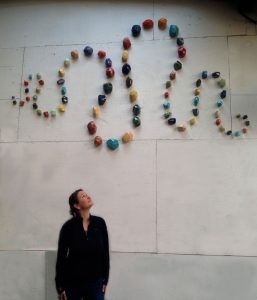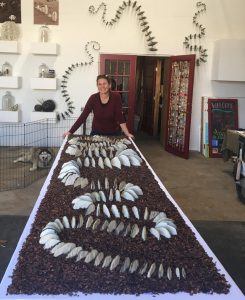
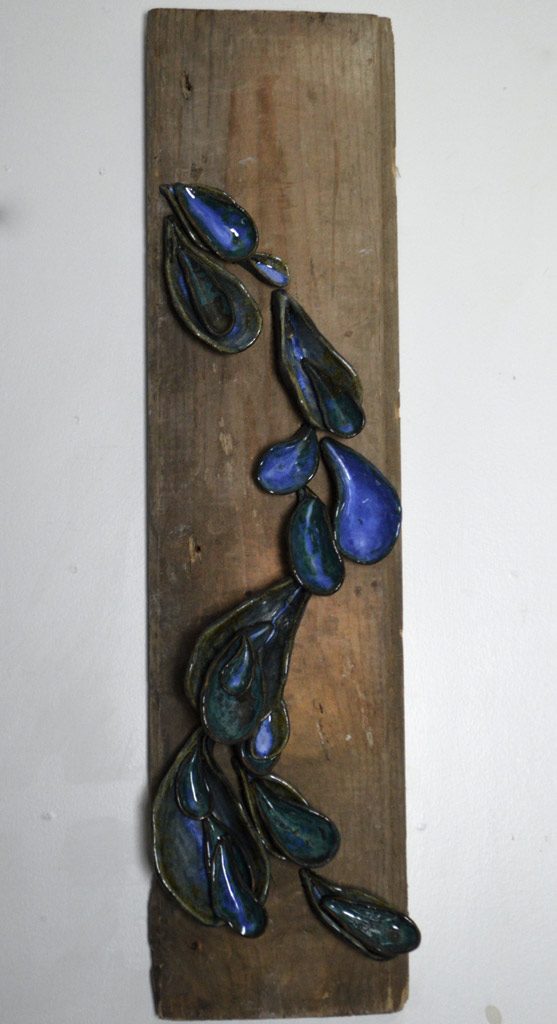
This is the very last piece from my fastest selling series ever! The Tide Pool Series started as an In The Field installation that evolved into compositions of the ceramic forms mounted onto reclaimed wood wall pieces. The series explores the flow of water in tidal zones mimicking the shapes of mussel shells often found in these tidepools.
The reclaimed wood is 28″ L X 8″ W X 4″D and comes with a hanger mounted on the back. It’s compact size makes it suitable for most wall spaces while also making an impact with the striking blue glazes.
If you were at the studio for Open Studios this weekend and missed out on buying one of these pieces, now’s your chance. This piece was hiding out at the preview exhibit and is now back at my studio. If you are local and you’d like to buy this piece, choose local pickup and you’ll skip the shipping charges. Click the link for details about this particular piece…
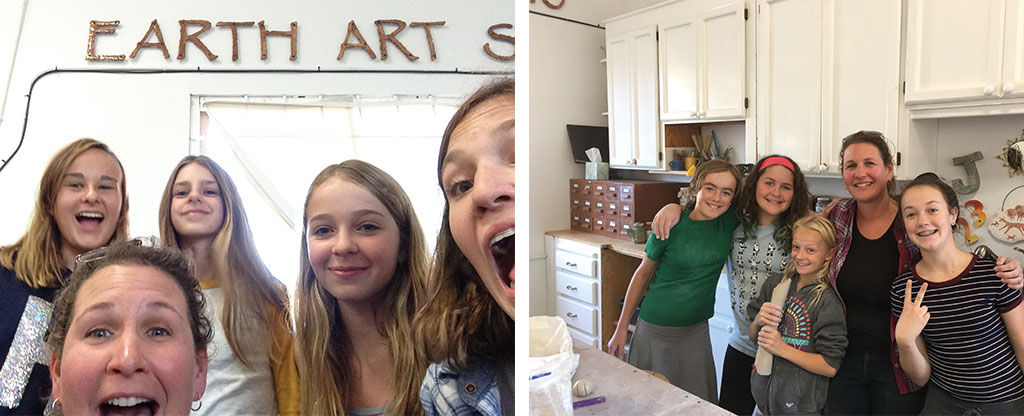
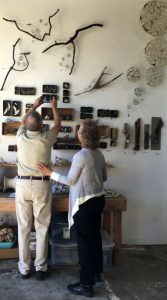 I spend a lot of time sharing new work, events and ideas with you, but I want to take a moment to share my gratitude. This year Open Studios was unbelievable. From the masses of people the first weekend to braving the rain the second weekend, it was really an incredible year. Thank you, thank you, thank you to ALL of the patrons, students, friends, family and fellow artists who came to the studio to see my studio, who bought art and who brought me gifts and good wishes. I can’t do this event without you!
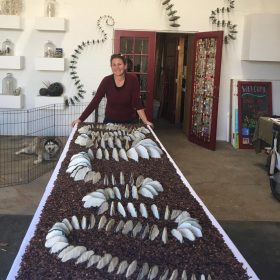 Last weekend of Open Studios was so fantastic! Thank you to everyone who came out to support the arts! I loved seeing old and new faces visiting me and exploring the new studio space. And pretty much everyone agreed that the parking is a lot better at the new space- if you’ve been to my old studio, you know what I mean.