Learn to Repair!
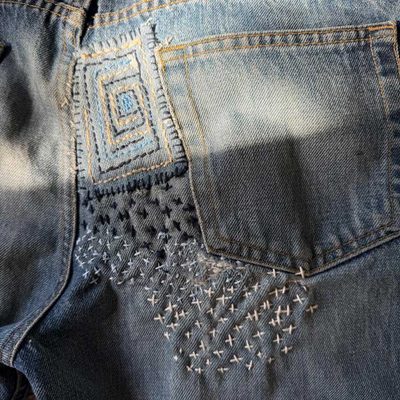
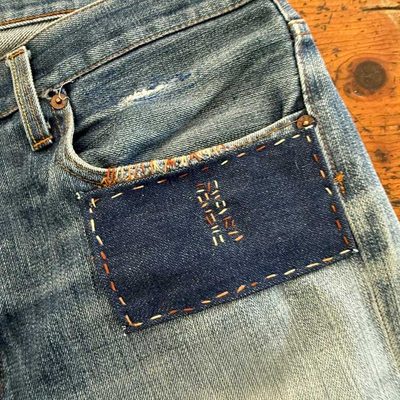
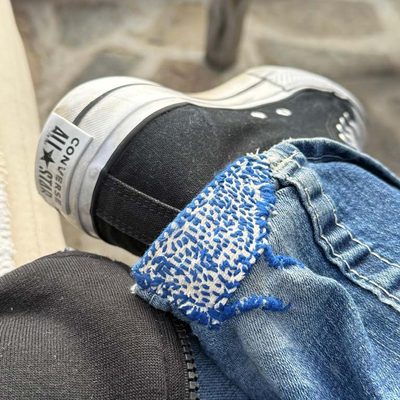
In this Sashiko workshop with Jenny Friedberg, we will learn techniques to beautifully repair textiles and make them last. Bring your tore up jeans and join us at the studio Nov 20th for our first workshop of the season.
Learn to Repair!
In this Sashiko workshop with Jenny Friedberg, we will learn techniques to beautifully repair textiles and make them last. Bring your tore up jeans and join us at the studio Nov 20th for our first workshop of the season.
A holdfast in biology is a root like structure that anchors an aquatic organism, like seaweed or kelp to a substrate, usually a rock or boulder, creating a literal anchor to keep the plant from being swept away in the currents.
Plankton in biology are defined as marine drifters. So anything that isn’t able to actively propel itself in a direction is considered a plankton, sometimes that might be at one stage of an organisms life, like a larval state.
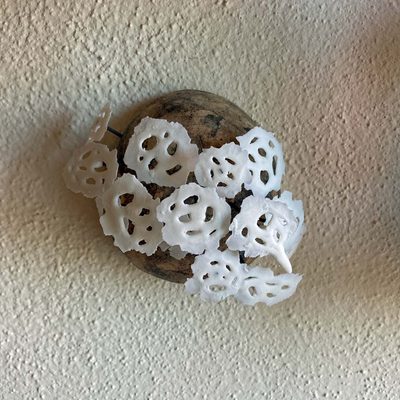
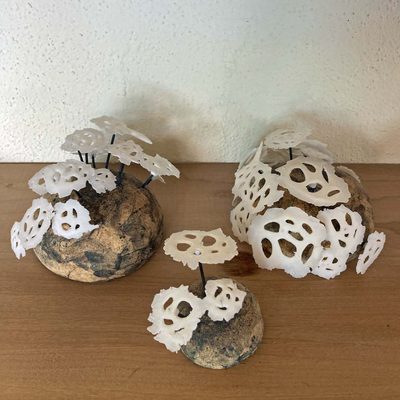
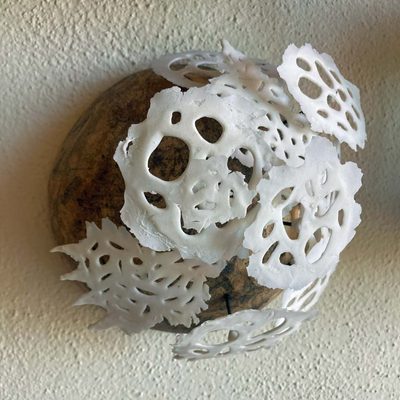
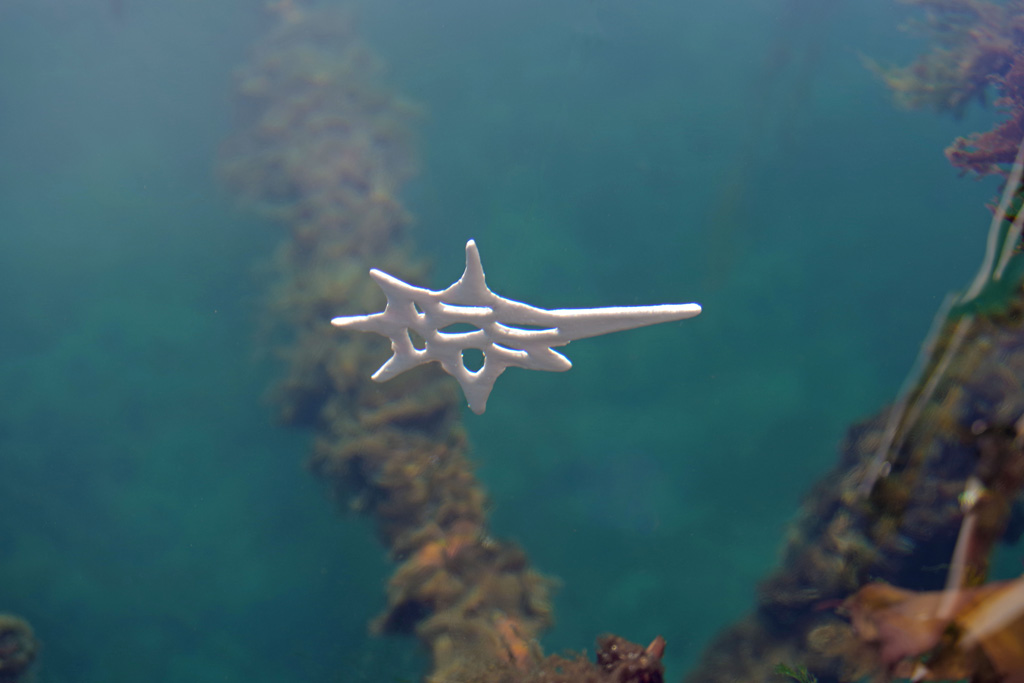
In these new works, I love conceptually contrasting these ideas with my porcelain plankton inspired pieces delicately attached to a stoneware based keeping them securely anchored down. These pieces can be displayed on a flat surface or attached to to a wall. Come visit the studio to see them in person and pick one (or more!) out for your home.
This summer, I’ve been busy making parts for a bunch of new stacked sculptures that will land in the garden very soon! It’s hard to imagine what these pieces will really look like in the end when they’re all assembled and installed but the process is part of the fun.
I stack the individual parts as I build them in the studio to get an idea of how they will interact with each other. All of the parts are fired, glazed and fired again. Then they get assembled on their steel bases with rods cut to the appropriate height to support the work. The fun part is finding where they get to live in the garden, making you question sometimes if that’s a real plant or a sculpture.
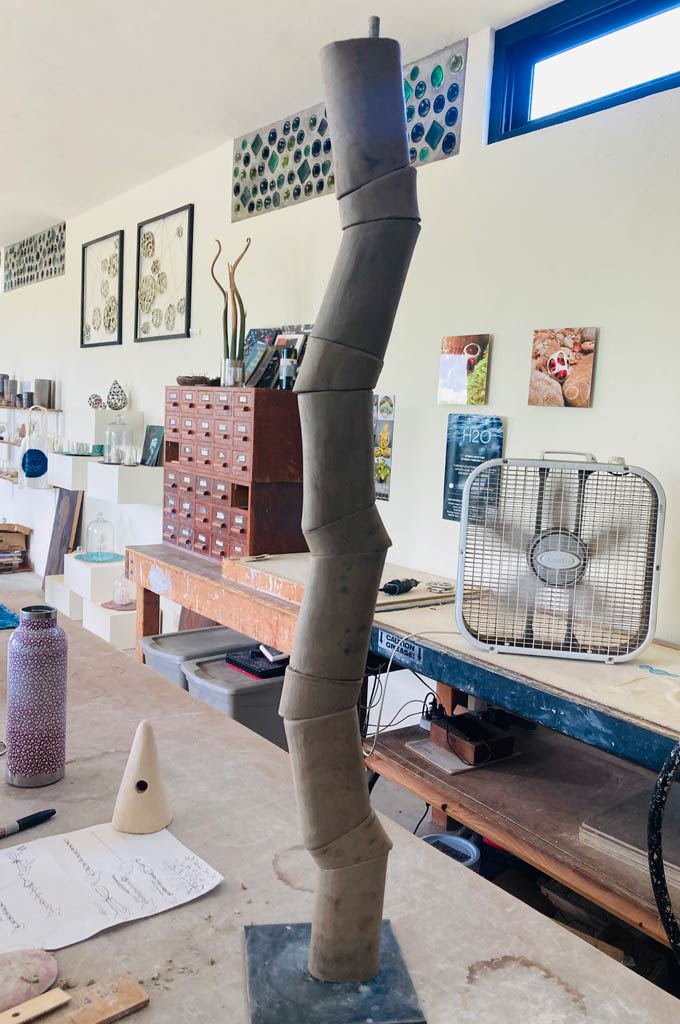
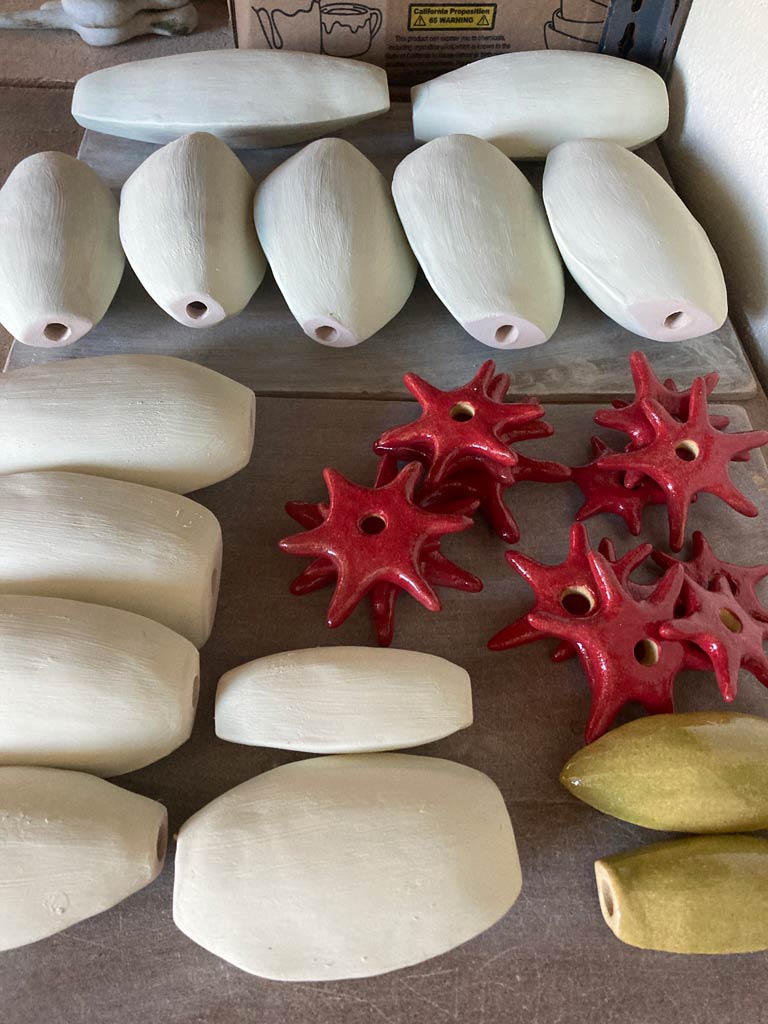
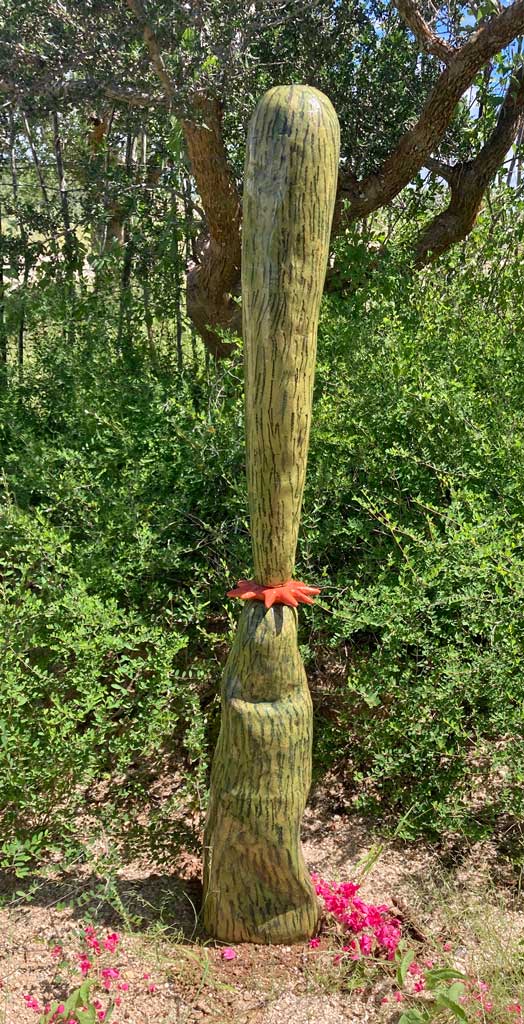
All of these works are inspired by the plants, the seed pods, the flowers and the amazing natural world that surrounds my studio – I’m just making my own take on all these forms, textures and colors. Come see these pieces in person or pick one out to transplant to your own garden space!
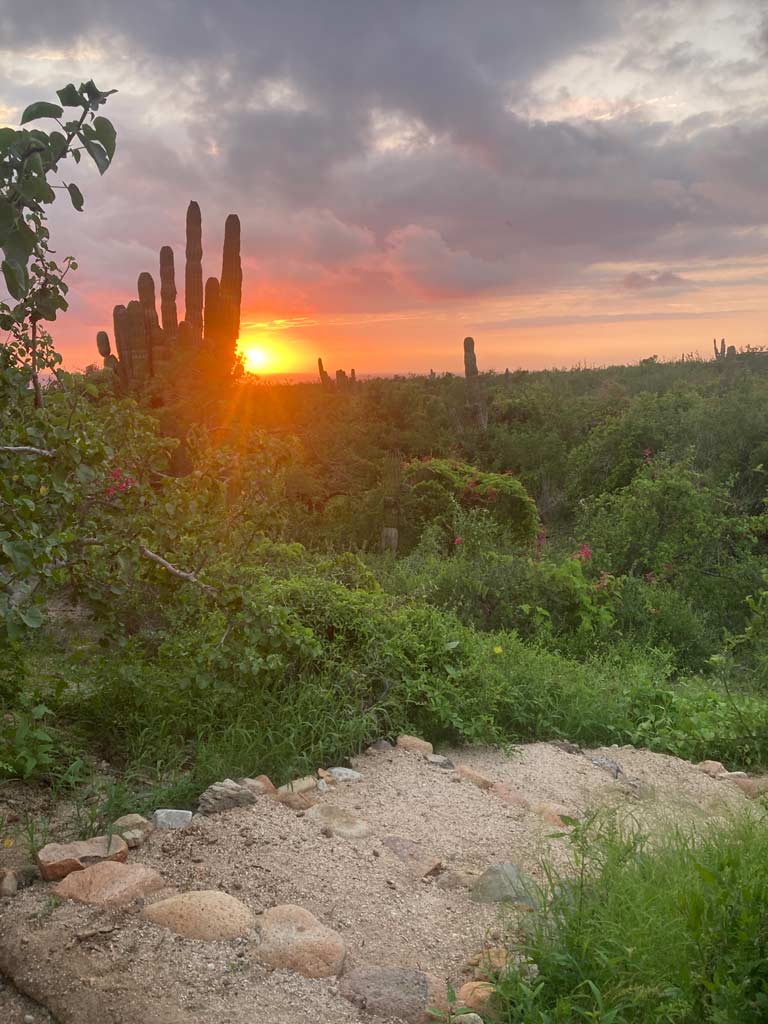
After a summer hiatus from creating blog posts for the dirt, we’re back! While we are still experiencing a steamy, hot summer that just won’t quit here in southern Baja, we are ready to get back to business! We are loving what all the rain did to our desert, transforming it from bare branches into a verdant, lush jungle – plan a visit while it lasts!
Here’s some quick announcements about what’s been going on here if you missed them in your monthly emails:
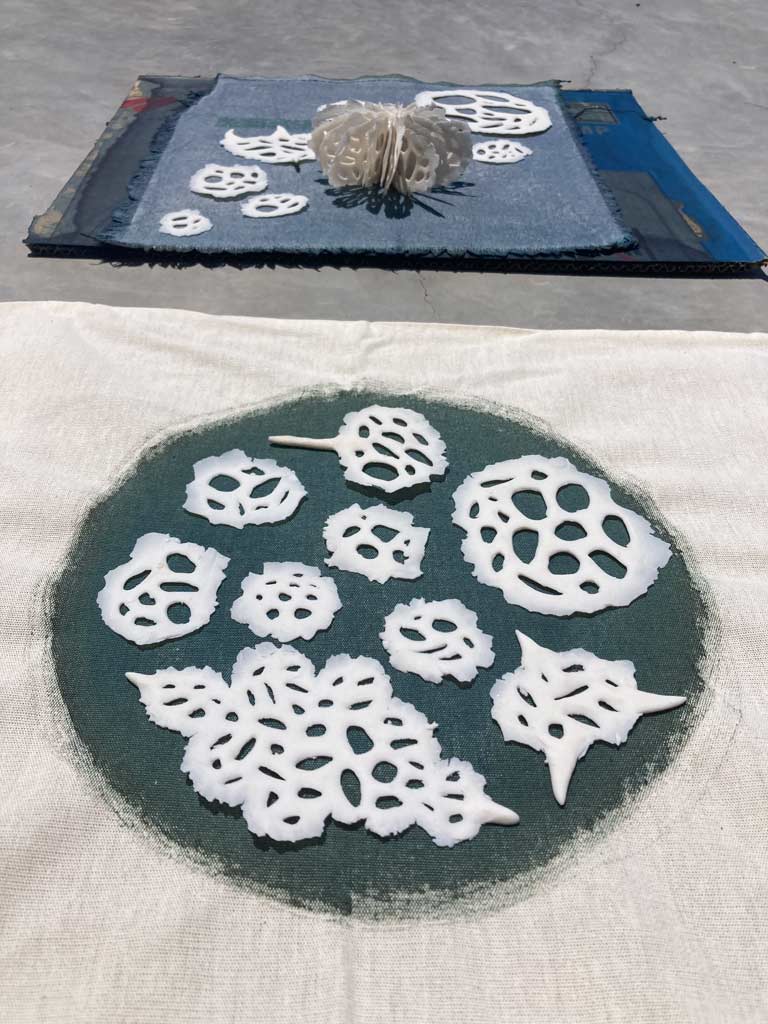
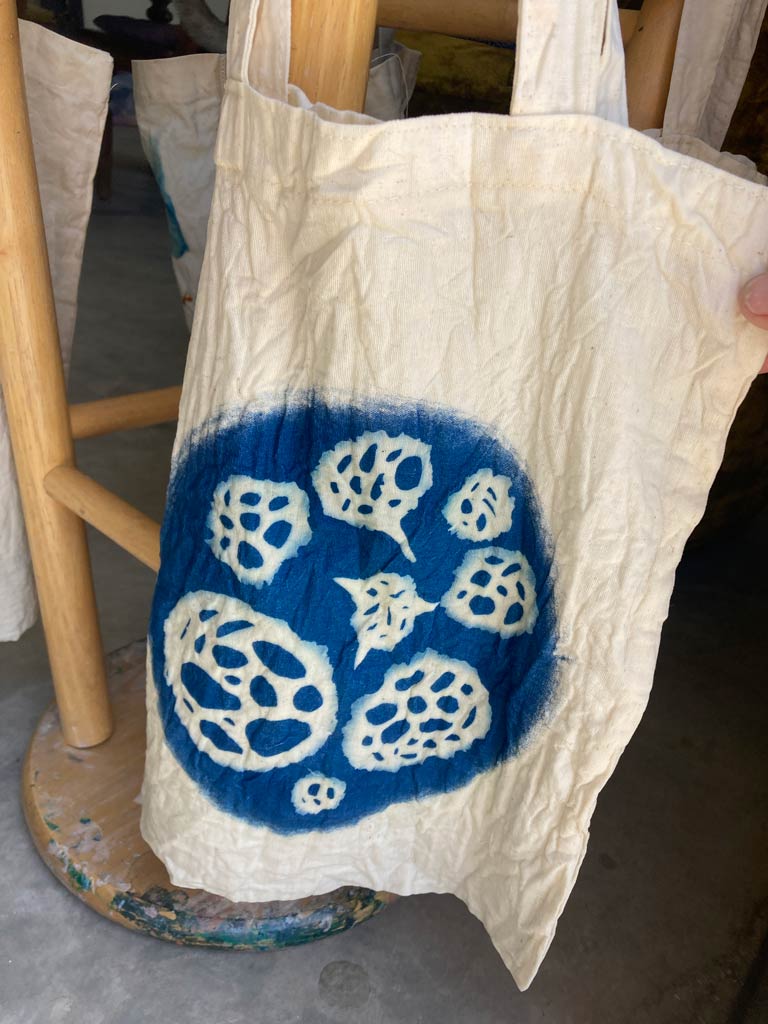
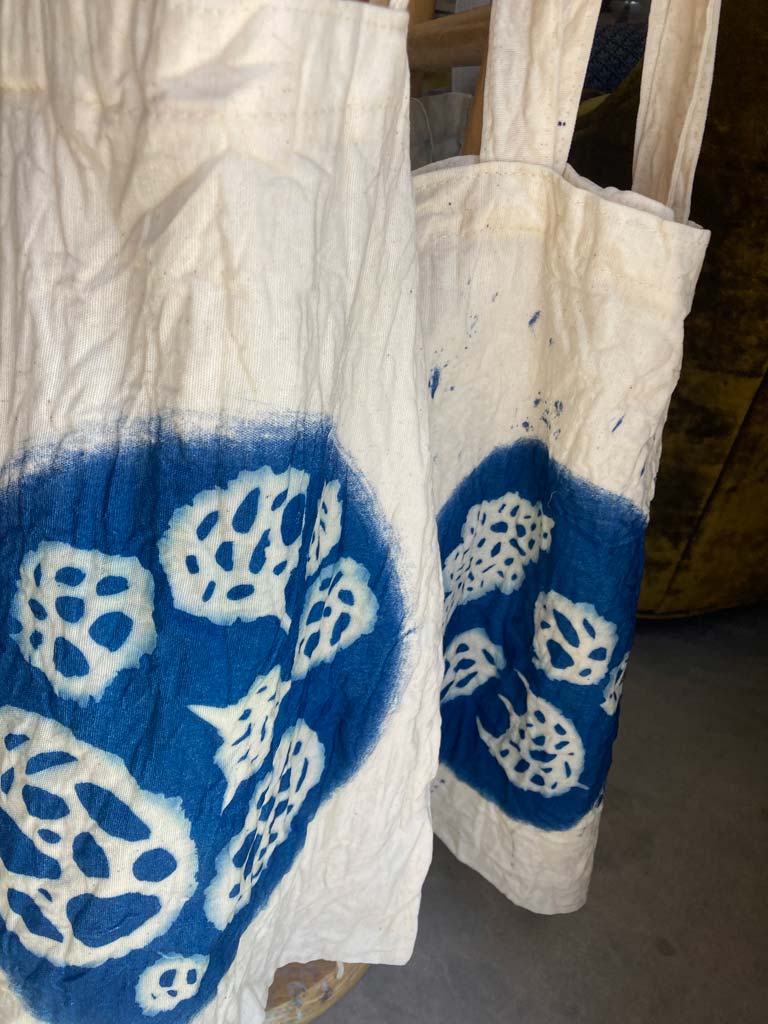
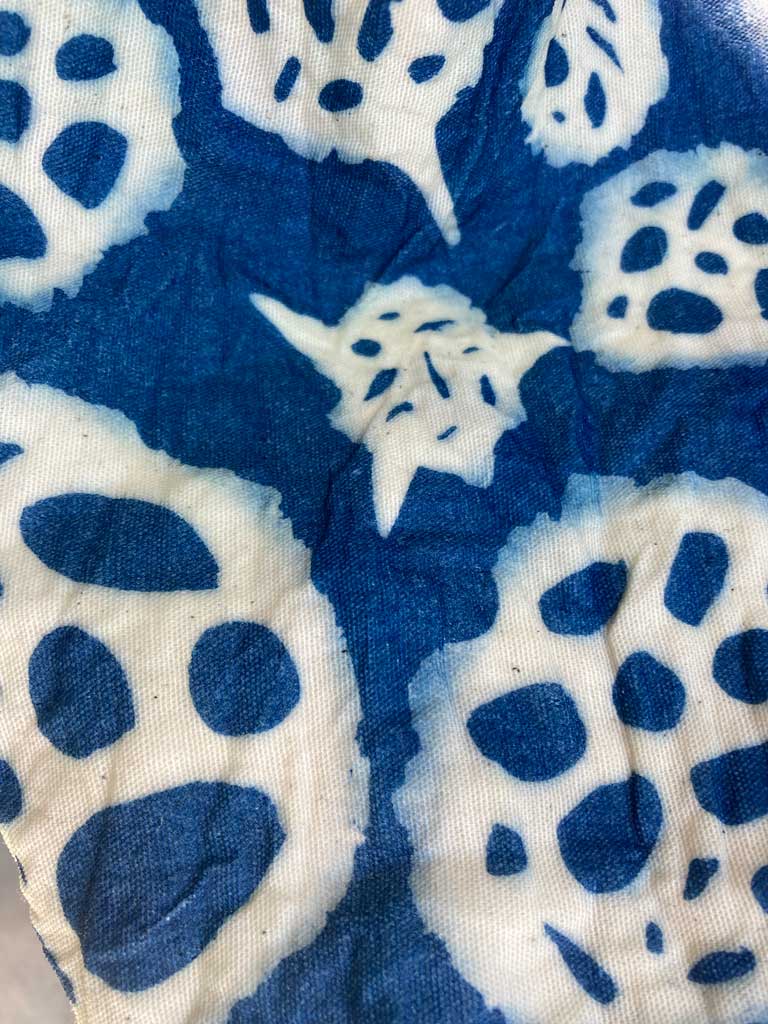
I’ve been experimenting with the process of cyanotype combined with my porcelain plankton shaped pieces. The silhouette of the porcelain pieces creates an ethereal water-like quality and with the variations of exposure time and base material, there are a lot of variations to play with. It’s also got a ton of potential for large scale installation applications.
But, I’ve started off simple creating circular designs on tote bags – I’ve only made a few so far but I already love them! I’m debating between adding in an Earth Art Studio logo to the design and/or creating ceramic tags to hang off the straps, let me know if you have an opinion on this! Once I dial it in, I’m hoping to have these up for sale in the online shop soon and also available at the studio. Here’s a few pics of the first batch in progress.
There is something that happens when you buy directly from an artist. You don’t just take home an object — you take home a story, a relationship, and a small piece of someone’s life work. I’ve worked with clients over the past 20+ years to place existing works or create custom works for their homes.
During the pandemic when everyone was locked up and staring at their walls, I had so many clients reach out to thank me for the art that graced their spaces. They shared that the work brought them joy during a dark time and gave them solace as we all moved towards an uncertain future.
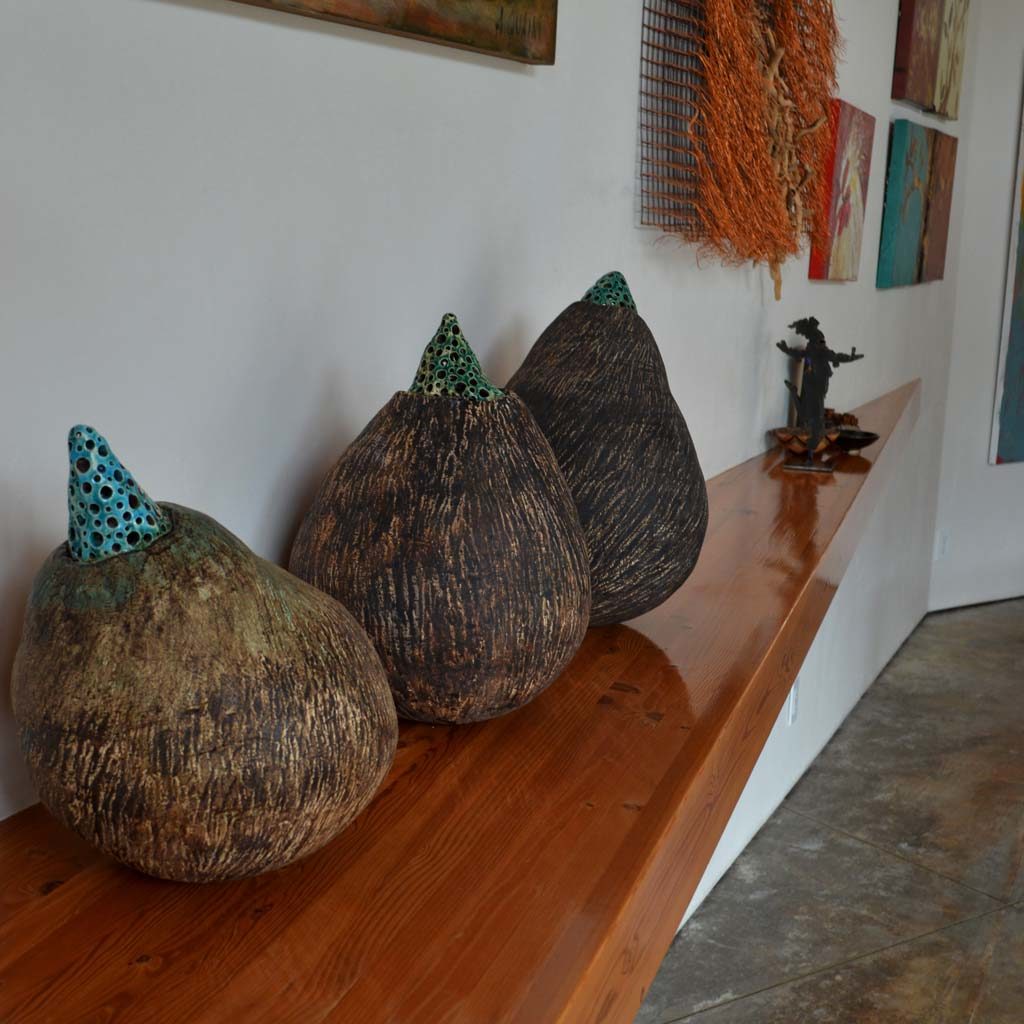
When you buy from any independent artist, maker, or local business, you keep a creative practice alive and says that you value the human hand over the machine. So if you’re looking for a unique piece that will keep sharing its story, reach out to get the conversation started – consultations are free!
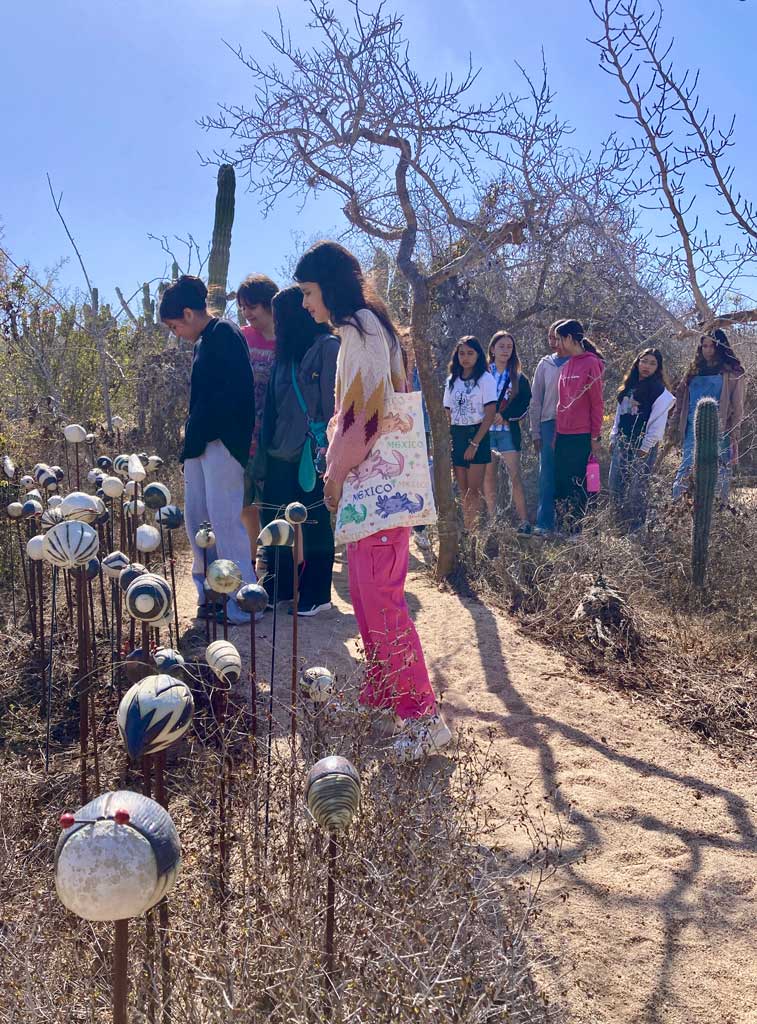
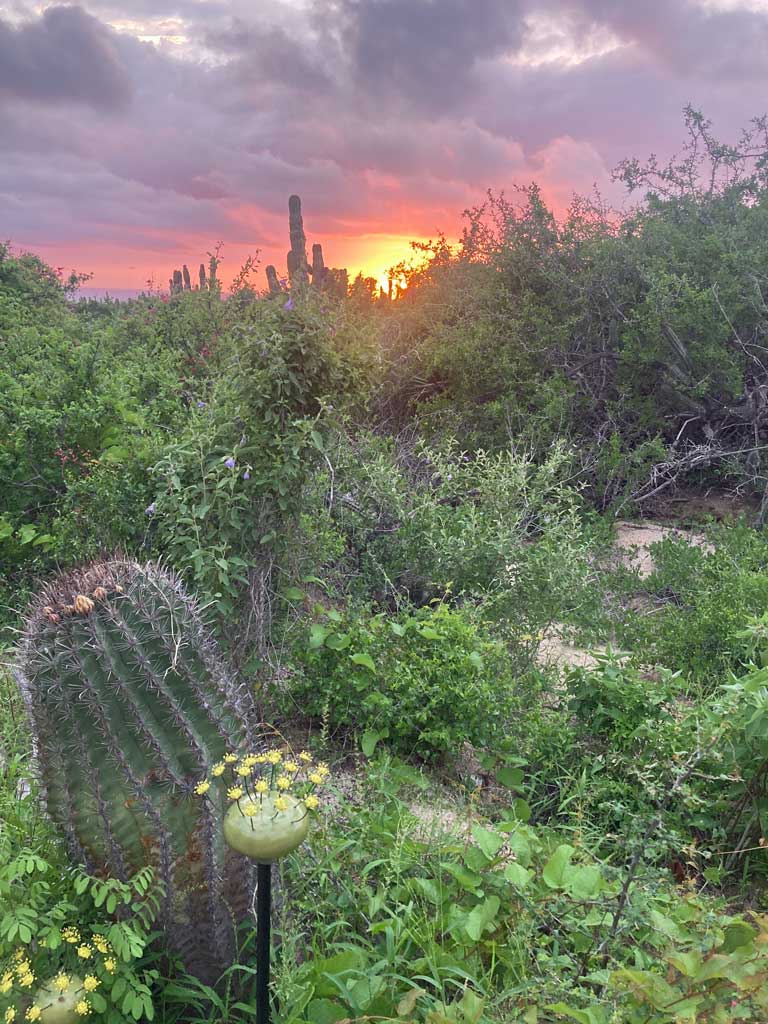
It hasn’t rained in almost a year, and it would appear that most of the plants in the desert are dead. When you look out the studio windows, you see the desert in all shades of brown with leafless gnarled, tangled sticks, sparse and bare except for the green of the cardón cactus. But, what has amazed me about this landscape is that if you look closer, you will see signs of life everywhere. There may not be enough energy in a plant to put out leaves and photosynthesize but it might throw out some flowers for the pollinators. Sometimes the flowers are very short lived, wilting in the summer heat but they are there and getting their seeds ready for when the rains do come.
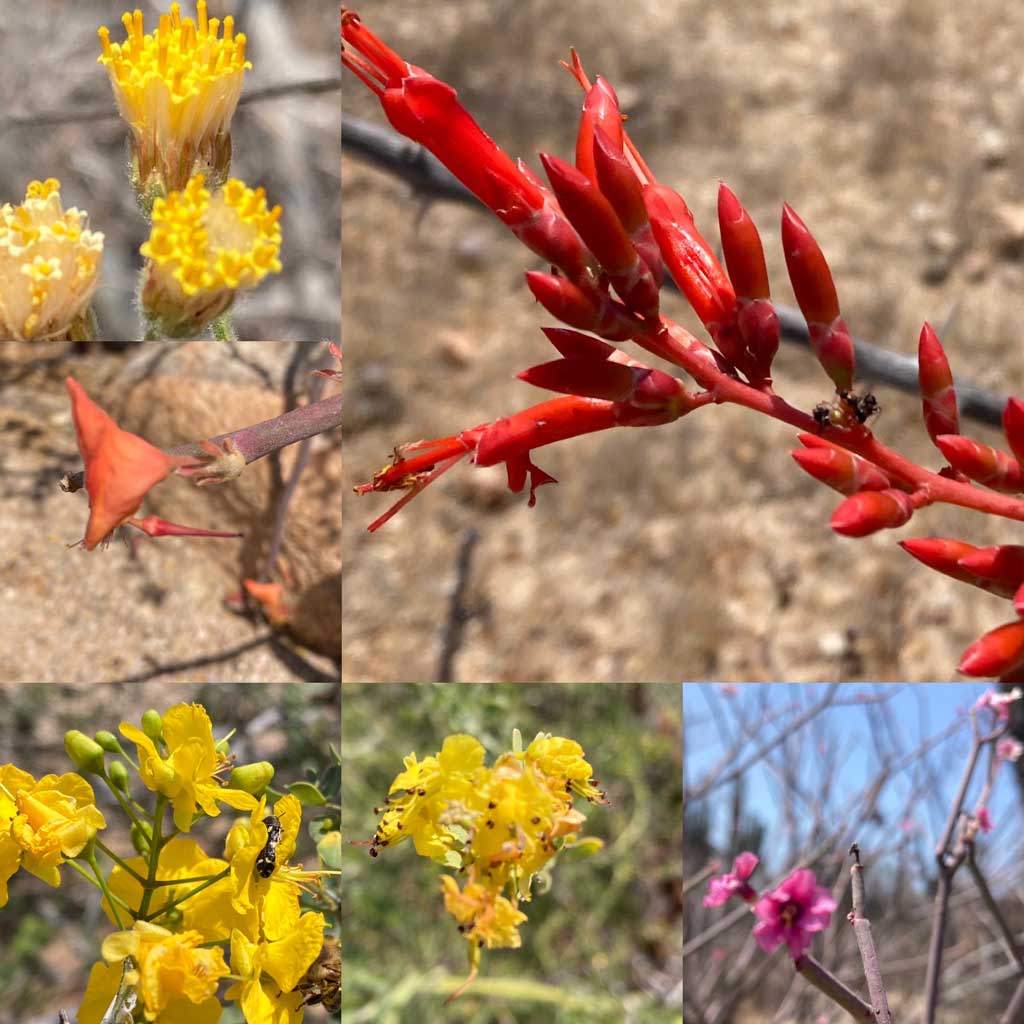
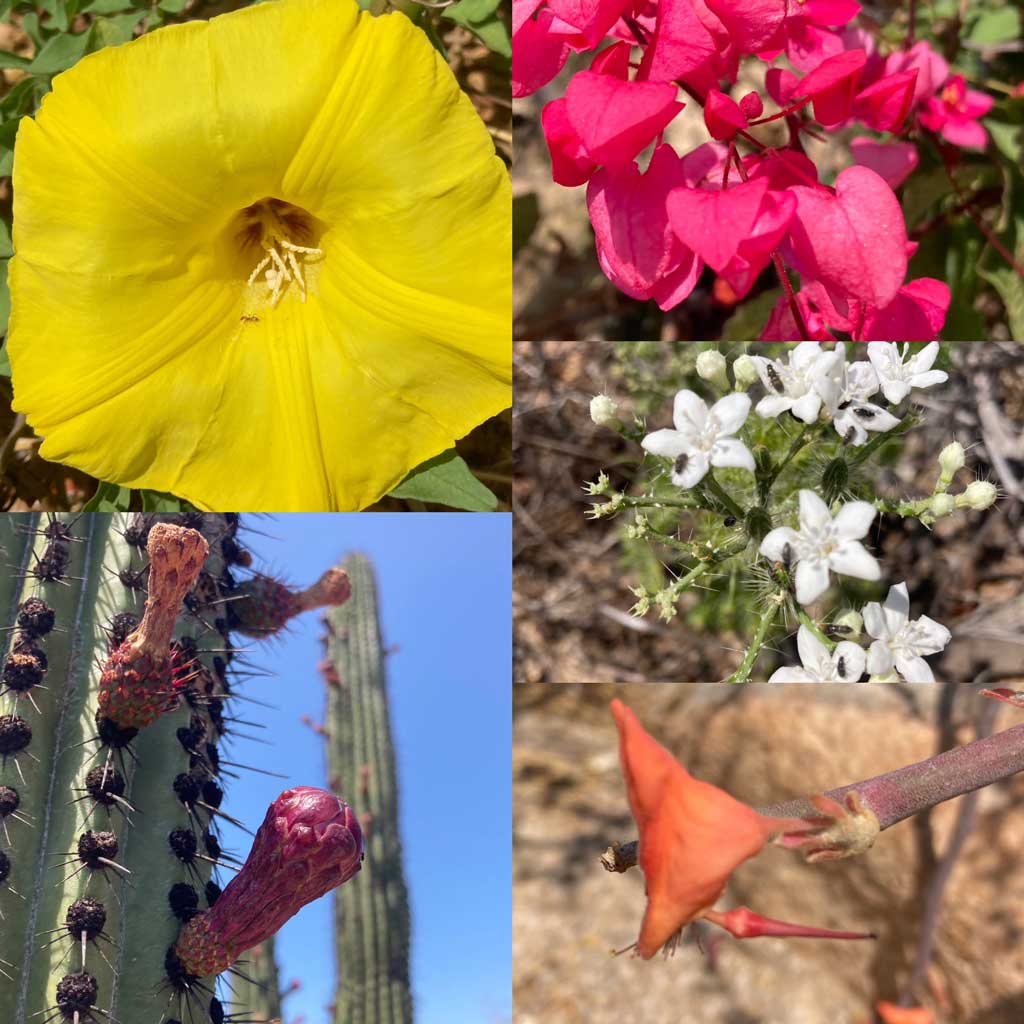
Last week we were overrun by ants that were carrying all their eggs to higher ground, trying to nest in our kitchen and furniture. They weren’t looking for the crumbs on the counter or the drip down the side of the honey jar, they somehow knew that it is the season of the rains and they needed to find a better spot to hide out their next generation. Life in the desert is a lesson in patience and opportunity, you see it in the birds, plants and mammals and I find it fascinating to watch.
Just this morning we got a light sprinkling of the first rain of the season – it was hardly enough to even be called rain, but in the desert every drop counts. As the season progresses, the storms off the ocean will inevitability come closer to land and the afternoon thunderstorms in the mountains will spill out to our area. We will be inundated with water, and for a time it will feel like way too much water. But it only lasts for a small period of time and the desert will soak up enough to last through the whole next year. Stay tuned as we watch the desert come alive again and turn from brown to vibrant green, until then, we wait for the rain.
For almost a decade, I have been inspired by microscopic plankton, how can this tiny little organism be the source of so much inspiration for my work you ask. Let’s start with the obvious. They. Are. Gorgeous. Check out these images I took looking at a slide through my microscope…
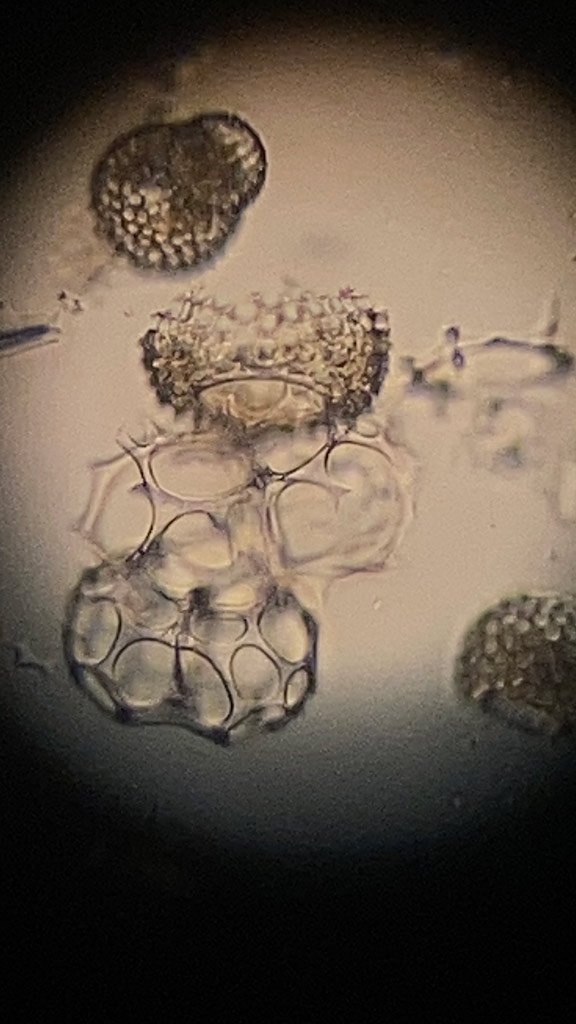
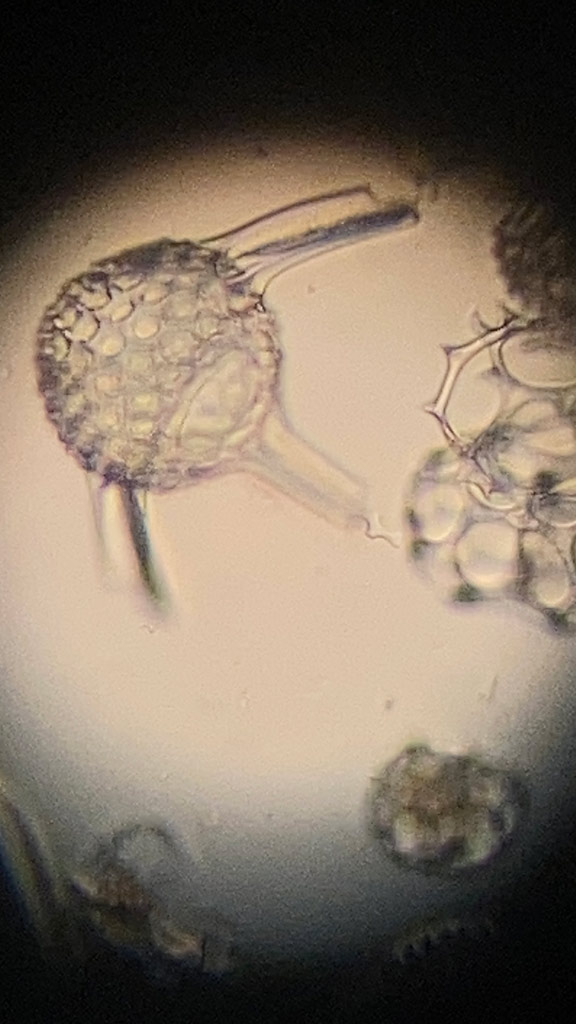
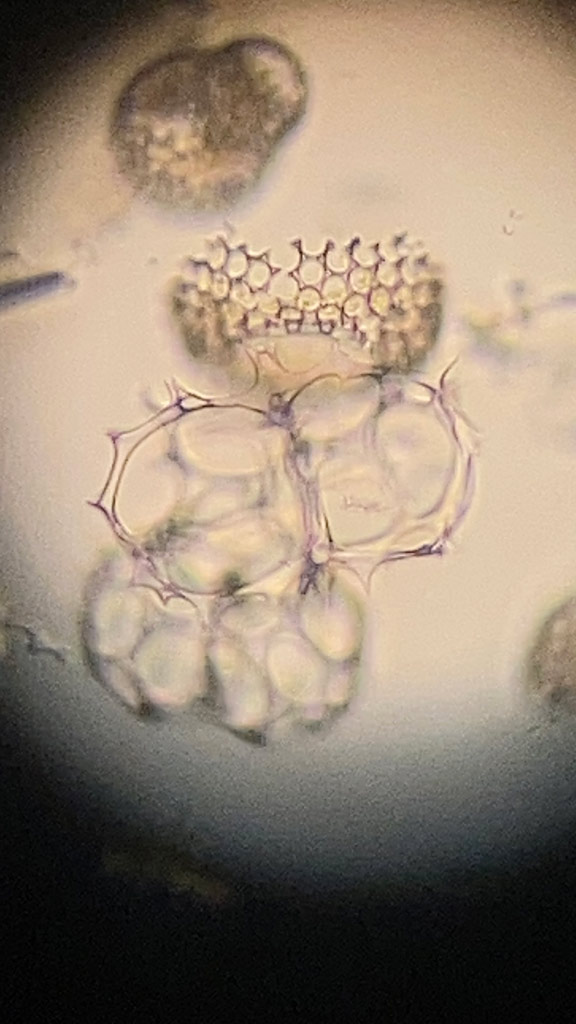
The particular type of plankton I’m looking at are radiolarians, they are single cell organisms, most are tiny but some are visible to the naked eye. They have intricate skeletal structures formed by silica which is what you’re seeing in the microscopic images. Imagine being a single cell and yet so complex in structure?! They fall into the category of being both phytoplankton and zooplankton, sometimes jokingly referred to as vegimals. Their fossil record dates back over 500 million years and have been found even in the Himalayas. Their forms have inspired me to create my versions of their skeletal structures using porcelain clay.
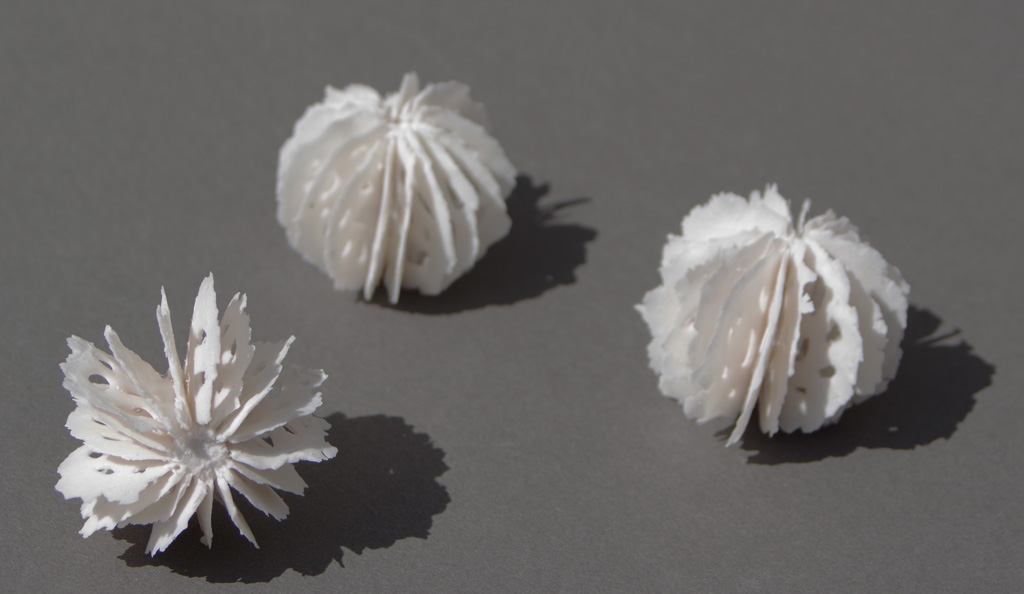
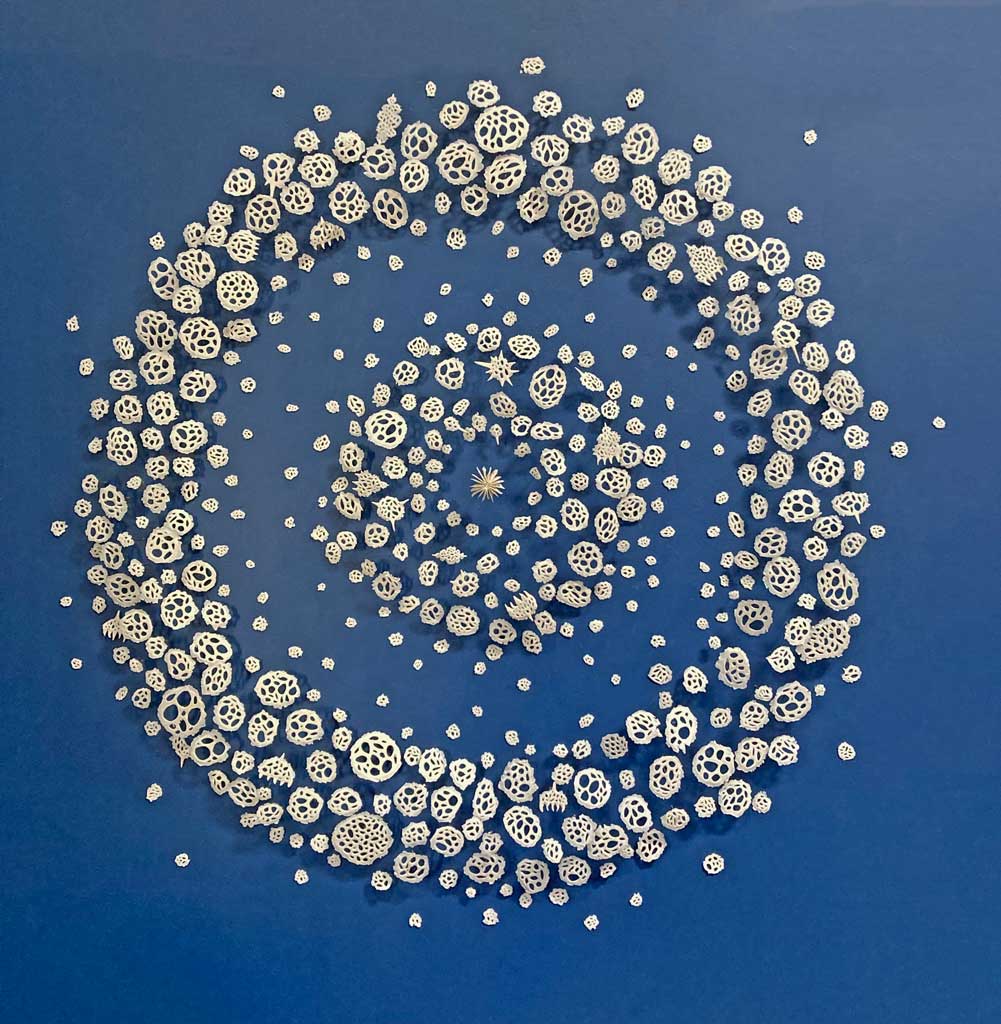
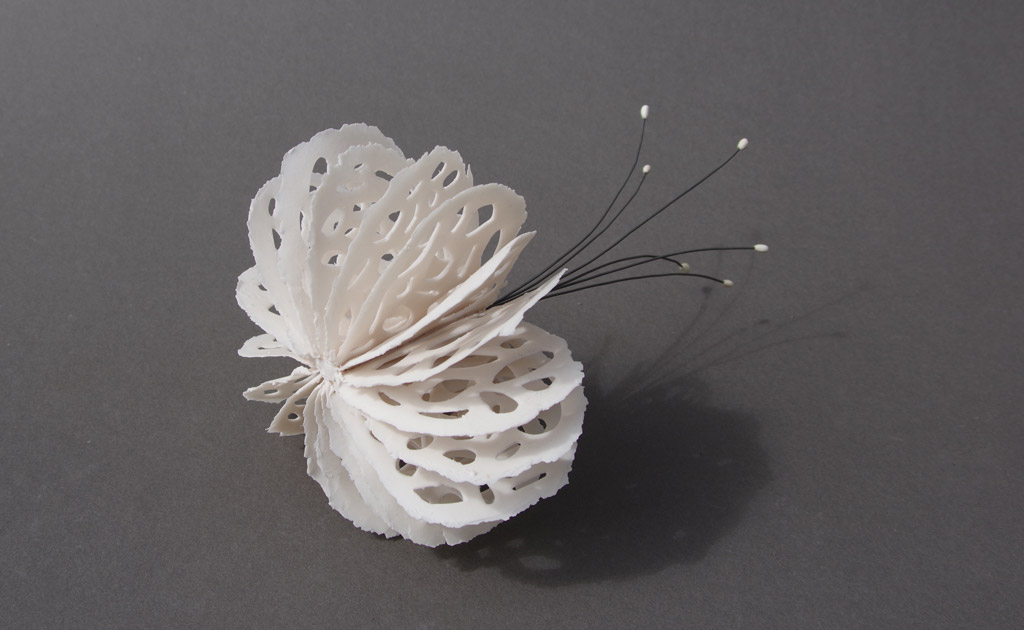
Plankton are marine drifters and range in size from microscopic to large jellyfish, they are in all waters across the planet. Some are bioluminescent, some are only considered plankton in their larval stage and then change taxonomy and they can also cause harmful algae blooms(HABs), commonly referred to as a red tide. Algae blooms are often so large that they can be spotted by satellites in space. The color of the bloom depends on the type of plankton that is blooming and the form is based on the tides, currents and wind. I created this installation based on the shape of an algae bloom off the coast of Antartica that was captured by a NASA satellite image.
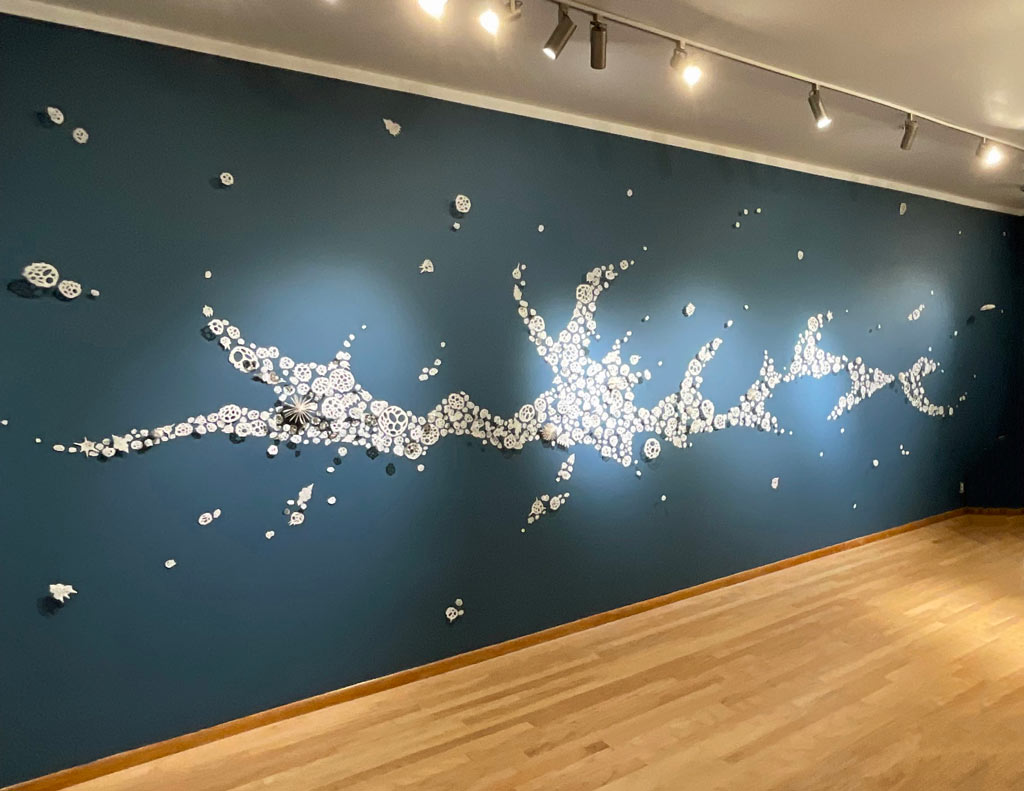
The fact that we cannot survive on this planet without plankton and that we generally never think about them is mind-blowing to me. They are the base of the entire marine food-chain, produce more oxygen than all of the trees and trap carbon from the atmosphere locking it in the deep ocean. We use diatomaceous earth in our gardens and in our toothpastes, which are the fossilized remains of diatoms – another type of plankton. Plankton have helped us mitigate climate change and provide a viable planet for life.
So, why plankton? For me, nature is the best artist and the skeletal forms of radiolarians will never cease to amaze me. I love the idea that they are too small to see without a microscope but can also be seen from space when they bloom. And, their purpose in the systems of nature, seem to be a never-ending source of inspiration and ideas, even after almost ten years, I still have a million ideas of things to make and stories to tell with these forms. Are you inspired now too?